At Wejing, precision is not only reflected in our aerosol filling machines and mask filling equipment, but also integrated into the way we build our team. We firmly believe that only a united team can create truly reliable products and services for global customers. To strengthen cross-position coll
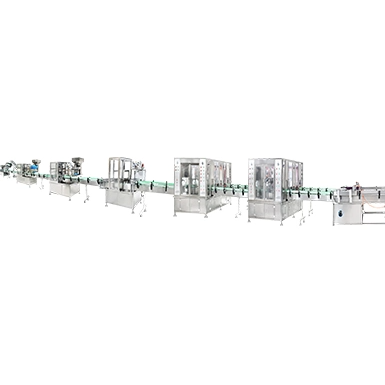
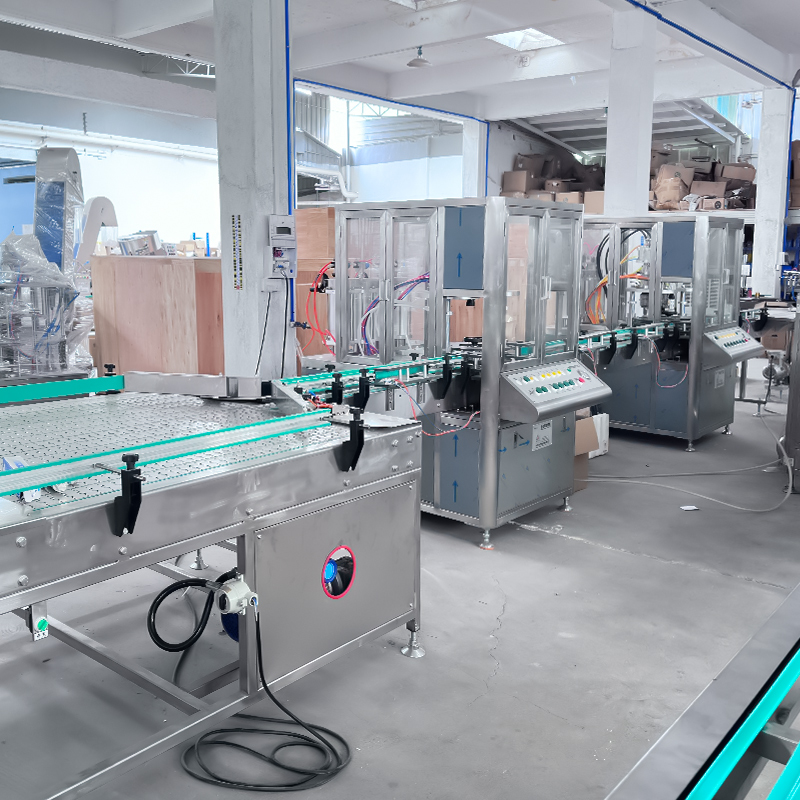
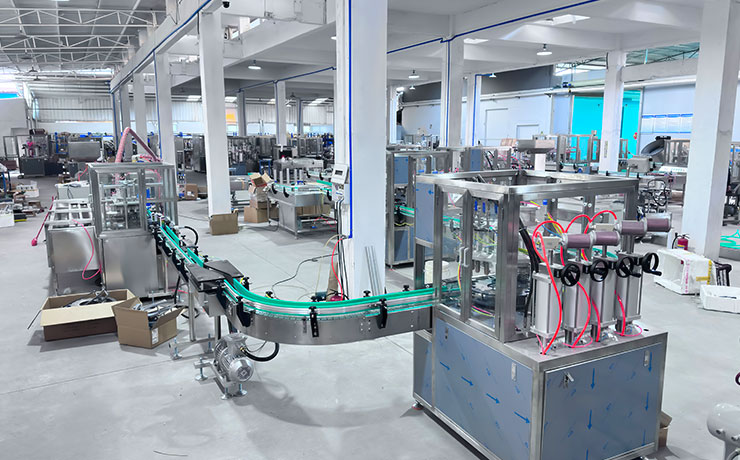
Introduction to Aerosol Filling Machine:Aerosol filling machine is a special filling equipment, which can be classified as liquid filling machine and gas filling machine. It is a mechanical device specially used for the production of aerosol products. The working principle of aerosol filling machine
According to a report by Mordor Intelligence, the global binary packaging (BOV) technology market is projected to reach $587 million by 2026, with a compound annual growth rate (CAGR) of 3.46% from 2026 to 2031. Five Key Drivers: Demand for eco-friendly packaging (zero VOCs, recyclable aluminum cans), sterile drug delivery systems in the pharmaceutical sector, preservative-free skincare and beauty sprays, nitrogen propellants as a replacement for PFAS, and innovations in plant-based food sprays. Provides data references for selecting aerosol filling equipment and planning production lines.
From a filling machine manufacturer’s perspective, this guide provides a quick comparison of the pros and cons, suitable products, and key filling considerations for aluminum cans, steel cans, and plastic bottles. It helps aerosol manufacturers select the optimal container type to improve production line efficiency.
In the whole process of mask production, the performance of various types of equipment directly determines the production efficiency, product quality and operating costs. Whether it is a filling machine, film folding machine, or weighing machine, cartoning machine, sealing machine, the right equipment can bring significant benefits for the enterprise. The following is to introduce you to the relevant products, and sort out the key points of the purchase of various types of equipment.
Comprehensive guide for aerosol manufacturers on pharmaceutical propellants: HFA-134a, HFA-227ea, compressed gases (N₂, CO₂), hydrocarbons, and CFC phase-out. Learn propellant selection criteria, pressure vs cold filling, Tube valve system vs BOV(bag-on-valve) systems, regulatory compliance (Montreal Protocol, FDA, USP), and future low-GWP trends. Optimize your production line with expert insights.