Bag-on-Valve packaging has evolved over many years in the aerosol industry and is now becoming the packaging choice for an increasing number of products. Why does this technology continue to be adopted? Is it suitable for your filling operations? Today, we'll discuss this topic in plain language.
1. What is Bag-on-Valve(BOV) packaging?
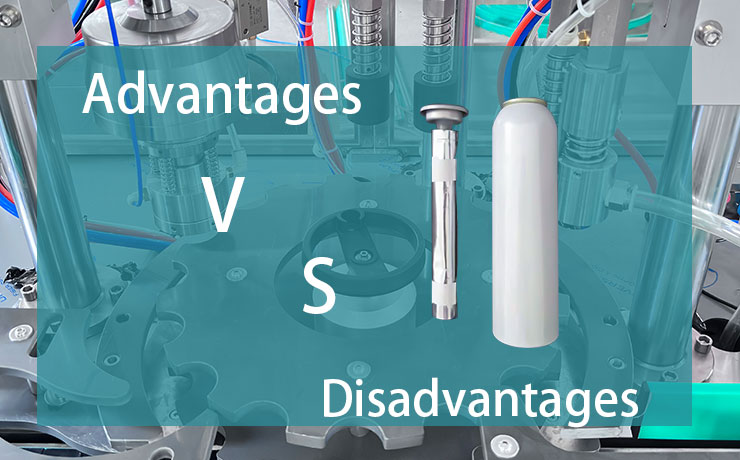
Simply put, there's a pouch on the aerosol valve. The product material is contained in a flexible pouch, while the propellant (compressed air or liquefied gas) fills the space between the pouch and the can wall. When the valve is pressed, the propellant squeezes the pouch, forcing the product out.
2. What are the key advantages of Bag-on-Valve packaging?
(1) Versatile compatibility
lWater-based products won't corrode the can
l Sensitive formulations (like medicines or serums) won't mix with the propellant
l High-viscosity products spray smoothly
(2) User-friendly operation
lSprays reliably upside down, at angles, or any orientation
lConsistent pressure and atomization from first to last spray
l Virtually no residue, allowing use down to the last drop
(3) Safer and more eco-friendly
lCan use compressed air as a cost-effective, environmentally friendly propellant
lProduct only contacts the pouch, minimizing chemical reactions
lReduced corrosion issues and lower leakage risk
3. However, it also presents practical challenges
(1) Higher costs
lPouch valve packaging materials are significantly more expensive than standard aerosol cans
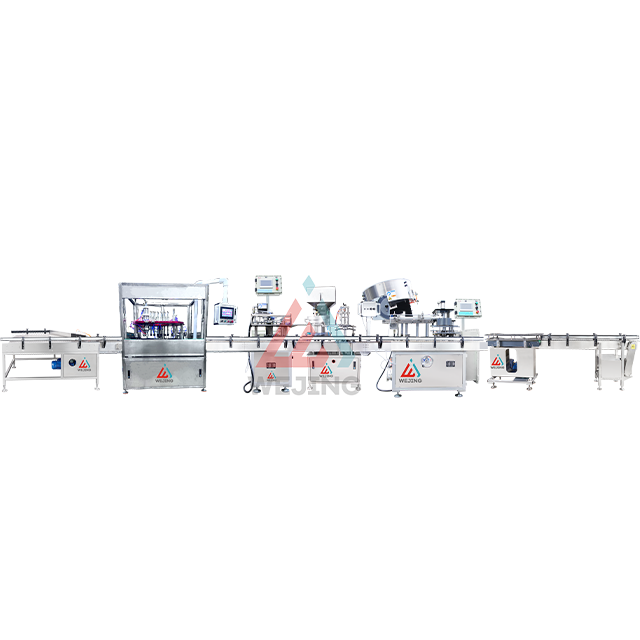
lProduction lines require modification or replacement, necessitating investment
(2) Reduced capacity
lFor the same can size, the actual product capacity decreases by approximately 10% due to the added pouch.
4. Which products are suitable for pouch valves?
Consider pouch valves for these products:
Premium cosmetics: serum sprays, sunscreen sprays
Pharmaceuticals: Topical medications, nasal sprays
Fine chemicals: Electronic cleaners, precision instrument lubricants
Specialty applications: Upside-down spray furniture care products, leather cleaners
5. Where are the opportunities for filling plants?
(1) Secure higher-end orders
Bag valve packaging commands higher profit margins and attracts more stable clients. Cosmetics and pharmaceutical manufacturers prioritize quality and rarely switch suppliers once established partnerships.
(2) Equipment upgrades are inevitable
Though many products still use traditional packaging, the premium market increasingly favors bag-on-valve systems. Preparing equipment in advance is essential to secure these orders.
(3) Less competition
Not every filling plant has bag-on-valve production lines. If you do, you'll face fewer competitors.
6. Should you invest in a bag-on-valve production line?
First ask yourself these questions:
Do your customers need it? Have customers inquired about bag-on-valve packaging?
Is it suitable for your products? Does bag-on-valve offer advantages for your primary product types?
Is the investment worthwhile? Calculate the ROI—how long until payback?
Can your team master the technology? Are workers capable of learning the new process?
If you decide to proceed:
Don’t go all-in at once: Start with a semi-automatic aerosol filler for trial production.
Choose flexible equipment: Some machines can handle both traditional and bag-on-valve packaging.
7. How can we assist you?
With over a decade in aerosol filling equipment, we've witnessed countless plant upgrades. If you're considering bag valve packaging, we can:
Analyze suitability: Determine if it aligns with your specific needs
Provide solutions: Maximize bag valve capacity with minimal investment
Train your team: Comprehensive support from equipment operation to process essentials
Joint commissioning: Until your production line runs smoothly
Pouch valve packaging isn't a one-size-fits-all solution, but it's often the superior choice for certain products. If you find traditional aerosol competition too fierce and want to target premium markets, pouch valve packaging is worth considering.
Want to discuss your specific situation? Our experienced engineers can assess the feasibility and ROI of equipment upgrades. Significant investment isn't always necessary—sometimes minor modifications can unlock new orders.