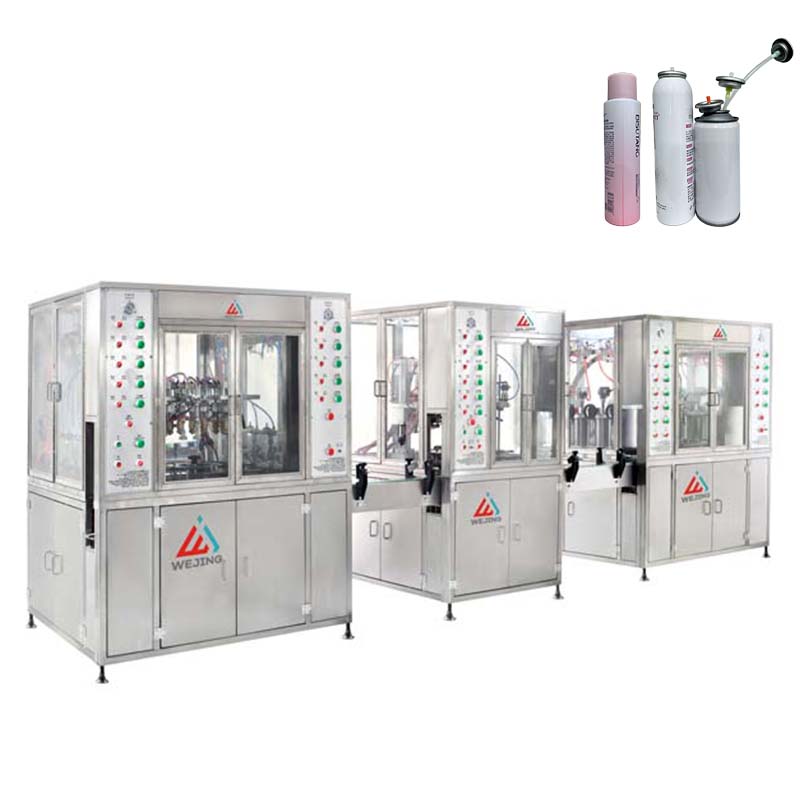
For Aerosol Filling Machines, proper maintenance is of vital importance for ensuring the optimal performance and longevity. Regular maintenance not only prevents costly breakdowns and extends the life of your equipment but also guarantees consistent product quality and enhances overall safety in the workplace.
In this blog post, we will delve into the essential aspects of aerosol filling machine maintenance, including understanding your machine, performing daily, weekly, and monthly maintenance tasks, troubleshooting common issues, and developing an effective preventive maintenance strategy.
Understanding Your Aerosol Filling Machine
Types of Aerosol Filling Machines
Aerosol filling machines come in various types, each designed to cater to specific production needs. The most common types include:
Pressure filling machines: These machines use pressure to fill the aerosol cans with the product. They are suitable for low to medium viscosity products and offer high filling speeds.
Piston filling machines: Piston fillers use a reciprocating piston to accurately measure and dispense the product into the aerosol cans. They are ideal for high-viscosity products and provide excellent filling accuracy.
Vacuum filling machines: These machines use a vacuum to draw the product into the aerosol cans. They are perfect for filling oxygen-sensitive products or those with low viscosity.
Double-chamber filling machines: Double-chamber fillers have separate chambers for the product and propellant, ensuring precise filling ratios and consistent product quality.
Key Components of an Aerosol Filling Machine
An aerosol filling machine consists of several essential components that work together to ensure efficient and accurate filling:
| Component | Function |
| Filling nozzles | Dispense the product into the aerosol cans |
| Conveyor system | Transports the cans through the filling process |
| Crimping head | Seals the valve onto the can after filling |
| Gassing head | Injects the propellant into the can |
| Control panel | Allows operators to set filling parameters and monitor the process |
How Aerosol Filling Machines Work
The aerosol filling process typically follows these steps:
Can loading: Empty aerosol cans are loaded onto the conveyor system, either manually or using an automatic depalletizer.
Purging: The cans are purged with compressed air or nitrogen to remove any debris or contaminants.
Filling: The cans are filled with the product through the filling nozzles, using either pressure, piston, or vacuum filling methods.
Gassing: After filling, the cans move to the gassing head, where the propellant is injected into the can.
Crimping: The valve is placed onto the can and crimped using the crimping head to create a tight seal.
Testing: Filled cans undergo quality control tests, such as leak testing and weight checks, to ensure they meet the required standards.
Packaging: Approved cans are labeled, coded, and packaged for distribution.
Why Regular Maintenance is Crucial for Aerosol Filling Machines
Regular maintenance is vital for aerosol filling machines to ensure consistent performance, minimize downtime, and maintain product quality. Neglecting maintenance can lead to a range of issues that can significantly impact your bottom line:
Reduced Equipment Lifespan
Without proper care, aerosol filling machines can experience premature wear and tear on critical components such as filling nozzles, seals, and conveyor systems. Regular maintenance, including lubrication and timely part replacements, can extend the lifespan of your equipment, saving you from costly premature replacements.
Increased Downtime and Repair Costs
Skipping maintenance tasks can lead to unexpected breakdowns, resulting in production delays and lost revenue. Emergency repairs are often more expensive than planned maintenance, as they may require rush part orders and overtime labor. By adhering to a regular maintenance schedule, you can prevent many issues from escalating into major problems, reducing both downtime and repair costs.
Compromised Product Quality
Poorly maintained aerosol filling machines can produce inconsistent results, such as variations in fill levels, improper sealing, or contamination. These quality issues can lead to customer complaints, product recalls, and damage to your brand reputation. Regular maintenance ensures that your machines are operating at peak performance, delivering consistent, high-quality products that meet customer expectations.
Safety and Compliance Risks
Aerosol filling machines operate under high pressure and deal with flammable propellants, making safety a top priority. Regular maintenance helps identify and address potential safety hazards, such as leaks or malfunctioning safety features, protecting your employees and facility. Additionally, maintaining detailed maintenance records is often required for compliance with industry regulations and quality standards.
Increased Energy Consumption and Waste
Inefficient aerosol filling machines can consume more energy and generate excessive waste due to leaks, inaccurate filling, or damaged components. Regular maintenance optimizes your machine's performance, reducing energy consumption and minimizing waste, which can lead to significant cost savings over time.
Essential Aerosol Filling Machine Maintenance Tasks
Implementing a well-structured maintenance schedule is essential for keeping your aerosol filling machine running at peak performance. Regular maintenance not only prevents breakdowns and extends the life of your equipment but also ensures consistent product quality and enhances overall safety in the workplace.
Daily Maintenance Checklist for Aerosol Filling Machines
Perform these tasks at the start of each production day:
Clean and sanitize the filling nozzles, gassing head, and crimping head.
Check for any leaks in the machine's hoses, connections, and valves.
Inspect the conveyor system for proper alignment and functionality.
Verify that all safety guards and emergency stop buttons are in place and working correctly.
Ensure that the machine's lubrication levels are adequate and top up if necessary.
Weekly Aerosol Filling Machine Maintenance Tasks
Dedicate time each week to perform these maintenance tasks:
Thoroughly clean the machine's exterior and interior, removing any product residue or debris.
Inspect and replace any worn or damaged machine parts, such as seals, gaskets, or belts.
Calibrate the filling and gassing heads to ensure accurate product and propellant dispensing.
Test the machine's safety features, such as overflow protection and can sensors, to ensure they are functioning properly.
Perform a trial run with a small batch of cans to verify the machine's performance and make any necessary adjustments.
Monthly Maintenance for Aerosol Filling Machines
Set aside time each month for more comprehensive maintenance tasks:
Lubrication & Moving Parts
Complete lubricating of all moving components using manufacturer-specified greases and oils. This crucial step minimizes wear and extends component life.
Sensor Maintenance
Thorough cleaning and testing of all sensors (fill level, pressure, and temperature) to ensure accurate readings and system reliability.
Filtration Systems
Replace air filters and maintain all filtration systems to preserve optimal air quality and protect against system contamination.
Valve Maintenance
Systematic disassembly, cleaning, and inspection of filling, gassing, and vacuum release valves. Replace worn components as needed for consistent performance.
Electrical System Check
Comprehensive inspection of electrical connections, wiring, and control panels. Address any signs of wear or damage promptly to prevent electrical faults.
Annual Aerosol Filling Machine Maintenance and Inspections
Schedule annual maintenance and inspections to ensure your aerosol filling machine remains in top condition:
Arrange for a professional technician to perform a comprehensive inspection of the entire machine, identifying any potential issues or areas for improvement.
Replace any machine parts that have reached the end of their recommended service life, even if they appear to be functioning correctly.
Update the machine's software and firmware to the latest versions, ensuring compatibility and optimal performance.
Conduct refresher training for operators, covering machine operation, safety protocols, and maintenance responsibilities.
Document all maintenance tasks, inspections, and upgrades in a dedicated log book for future reference and compliance purposes.
Troubleshooting Common Aerosol Filling Machine Issues
Despite regular maintenance, aerosol filling machines may encounter issues that affect production quality and efficiency. Identifying and resolving these problems quickly is essential to minimize downtime and maintain product consistency. This section will cover common aerosol filling machine issues, troubleshooting techniques, and when to seek professional assistance.
Identifying Aerosol Filling Machine Problems
Familiarize yourself with the most common issues that can arise with aerosol filling machines:
Inconsistent fill levels: Variations in product fill levels can occur due to clogged nozzles, incorrect machine settings, or worn filling components.
Leaks: Leaks in the machine's hoses, valves, or seals can lead to product waste and potential safety hazards.
Valve and crimping issues: Faulty valve placement or crimping can result in improper sealing and product leakage.
Propellant inconsistencies: Incorrect propellant pressure or volume can affect the product's spray pattern and performance.
Conveyor malfunctions: Misaligned or worn conveyor components can cause can jams or tipping, disrupting the filling process.
Resolving Aerosol Filling Machine Malfunctions
When troubleshooting aerosol filling machine malfunctions, follow these steps to efficiently resolve issues and resume production:
Identify the issue: Observe the machine's performance and note any abnormalities, such as unusual noises, inconsistent fill levels, or leaks.
Consult the manual: Refer to the machine's operating manual for specific troubleshooting guidance and recommended solutions for common issues.
Check machine settings: Verify that all machine settings, including fill volumes, propellant pressure, and conveyor speed, are correctly adjusted for the current product.
Inspect components: Examine the machine's components, such as nozzles, valves, and seals, for signs of wear, damage, or obstruction. Clean or replace parts as necessary.
Perform test runs: After making any adjustments or repairs, conduct test runs with a small batch of cans to ensure the issue has been resolved and the machine is functioning properly.
When to Call a Professional for Aerosol Filling Machine Repairs
While many issues can be resolved by trained operators, certain situations require the expertise of a professional technician:
Complex malfunctions: If the issue persists after following troubleshooting steps or the problem's root cause is unclear, consult a professional to diagnose and resolve the malfunction.
Electrical issues: Problems with the machine's electrical components, such as wiring, sensors, or control panels, should be handled by a qualified technician to ensure safety and proper repair.
Major component failure: If critical components, such as the filling pump or crimping mechanism, fail or require replacement, enlist the help of a professional to ensure the correct installation and calibration of new parts.
Software malfunctions: Issues with the machine's software or programming should be addressed by a technician with expertise in the specific control system.
Preventive Maintenance for Aerosol Filling Machines
Creating an Aerosol Filling Machine Maintenance Schedule
A well-planned maintenance schedule is the foundation of an effective preventive maintenance program. Follow these steps to create a comprehensive schedule:
Consult manufacturer recommendations: Review the manufacturer's guidelines for recommended maintenance tasks and intervals. These recommendations should form the basis of your maintenance schedule.
Consider production demands: Evaluate your production schedule and identify opportunities to perform maintenance tasks without disrupting production. Schedule major maintenance tasks during planned downtime or slower production periods.
Prioritize critical tasks: Identify critical maintenance tasks that directly impact product quality, safety, or equipment reliability. Prioritize these tasks and ensure they are performed at the recommended intervals.
Include routine inspections: Incorporate regular inspections into your maintenance schedule to identify potential issues before they lead to breakdowns or quality problems. Inspections should cover all critical components and systems.
Allow for flexibility: While a structured schedule is important, allow for some flexibility to accommodate unexpected maintenance needs or production changes. Regularly review and update the schedule as needed.
Training Staff on Proper Aerosol Filling Machine Maintenance Procedures
Develop clear procedures: Create detailed, step-by-step procedures for each maintenance task, including safety precautions, required tools and materials, and documentation requirements.
Provide hands-on training: Conduct hands-on training sessions to demonstrate proper maintenance techniques and allow staff to practice under supervision. Ensure that all staff members have a thorough understanding of the procedures.
Emphasize safety: Stress the importance of following safety guidelines and using appropriate personal protective equipment (PPE) during maintenance tasks.
Encourage continuous learning: Provide ongoing training opportunities to keep staff updated on new maintenance techniques, equipment upgrades, or changes in manufacturer recommendations.
Foster a culture of ownership: Encourage staff to take ownership of maintenance responsibilities and communicate any concerns or suggestions for improvement. Recognize and reward staff members who demonstrate a commitment to preventive maintenance.
Keeping Accurate Records of Aerosol Filling Machine Maintenance
Use a standardized format: Develop a standardized format for recording maintenance tasks, including the date, time, personnel involved, tasks performed, and any observations or issues encountered.
Maintain digital records: Use a digital maintenance management system (CMMS) or spreadsheet to store maintenance records. Digital records are easier to search, analyze, and share than paper-based records.
Document all maintenance activities: Record all maintenance tasks, including routine inspections, lubrication, cleaning, and repairs. Be sure to include any replacement parts used and their associated costs.
Analyze maintenance data: Regularly review maintenance records to identify trends, such as recurring issues or components with shorter-than-expected lifespans. Use this data to inform future maintenance decisions and budget planning.
Ensure accessibility: Make maintenance records easily accessible to relevant personnel, such as maintenance staff, production managers, and quality control teams. Establish clear guidelines for accessing and updating records to maintain data integrity.
Contact Wejing for Professional Suggestions About Aerosol Filling Machines
With years of experience in manufacturing and maintaining aerosol filling equipment, Wejing understands the unique challenges faced by aerosol manufacturers. Whether you're looking to optimize your maintenance procedures or need professional guidance on troubleshooting complex issues, Wejing's team of experts is ready to provide customized solutions that meet your specific production needs. Contact us today to learn how we can help maximize your aerosol filling machine's performance and reliability.
FAQs About Aerosol Filling Machines
How to determine the right pressure settings for different viscosity products?
For low viscosity products, start with 2-3 bar pressure. Medium viscosity requires 3-4 bar, while high viscosity products may need 4-6 bar. Always test with small batches first.
What causes inconsistent fill levels in aerosol cans?
Inconsistent fill levels typically result from worn filling nozzles, incorrect pressure settings, or clogged filters. Regular cleaning of nozzles and maintaining proper pressure can prevent this issue.
How often should the filling nozzles be replaced?
Filling nozzles should be replaced every 100,000 cycles or when visible wear appears. Heavy-duty production may require more frequent replacement, especially with abrasive products.
Why do aerosol cans leak after crimping?
Leakage usually occurs due to improper crimping pressure, worn crimping heads, or damaged valve stems. Check crimping specifications and ensure regular maintenance of crimping equipment.
What's the best way to prevent product contamination during filling?
Install high-efficiency filters, maintain clean room conditions around the filling area, and regularly sanitize all product contact surfaces. Test filter integrity weekly.


