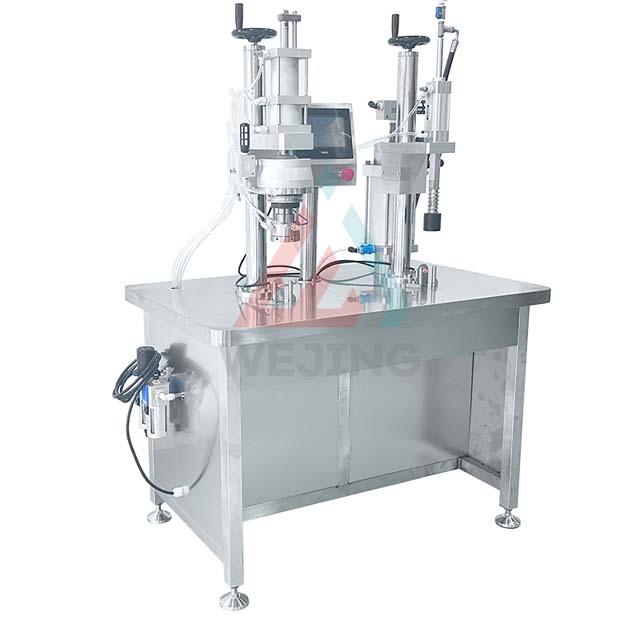
Are unexpected filling machine breakdowns threatening your production efficiency? In modern manufacturing, where every second counts, a malfunctioning filling system can cost thousands in lost production. While filling machines operate with precision timing and intricate mechanisms, even minor deviations can cascade into significant issues.
This comprehensive guide, drawing from decades of industrial expertise, reveals systematic approaches to identify, troubleshoot, and prevent common filling machine problems. Whether you're dealing with inconsistent fill levels, mysterious leaks, or puzzling performance issues, you'll find precise, actionable solutions here.
Understanding Your Filling Machine
Filling machine operation forms the backbone of modern liquid packaging systems. These sophisticated machines incorporate mechanical, electrical, and pneumatic systems working in harmony to deliver precise product volumes into containers. The complexity of these systems demands a thorough understanding of each component's function and potential failure points before attempting any troubleshooting procedures.
Machine component interaction plays a crucial role in successful filling operations. When one component malfunctions, it can create a cascade effect throughout the system. For example, a minor valve timing issue might lead to inconsistent fill volumes, which then causes problems with downstream processes like capping or labeling. Understanding these interconnections helps operators identify root causes rather than just treating symptoms.
Types of Filling Machines and Common Issues
Filling system classification divides machines into three main categories based on automation level. Manual systems require significant operator involvement and typically handle lower production volumes. Semi-automatic systems combine human oversight with automated filling functions. Fully automatic systems operate with minimal human intervention and achieve the highest production rates.
Manual filling equipment presents unique challenges in troubleshooting processes. These machines rely heavily on operator skill and attention, making consistent fill volumes more challenging to maintain. Common issues include fatigue-induced filling errors, slower production rates, and increased risk of product contamination from frequent human contact with filling components.
Semi-automatic system problems often center around the interface between manual and automated functions. These hybrid machines commonly experience issues with power indicators, clogged filters, and cylinder operation failures. The pneumatic systems in these machines require regular maintenance to prevent pressure-related problems that can affect filling accuracy.
Automated filling challenges typically involve more complex electronic and mechanical systems. These sophisticated machines can experience sensor calibration drift, conveyor synchronization issues, and timing problems between multiple filling stations. Their integrated control systems require careful monitoring and adjustment to maintain optimal performance.
Key Components Requiring Regular Troubleshooting
Filling component reliability stands at the heart of efficient liquid packaging operations. These critical machine elements require regular attention and systematic inspection to maintain optimal performance. Each component plays a unique role in the filling process, and understanding their specific troubleshooting requirements helps prevent production disruptions.
Filling nozzles and valves serve as the primary liquid dispensing mechanism in filling machines. These precision components control product flow through carefully calibrated openings and timing sequences. Nozzles frequently encounter issues with product residue accumulation, which can alter flow patterns and affect fill accuracy. Valves may experience wear on sealing surfaces, leading to leakage or irregular dispensing patterns. Regular inspection of these components should focus on:
Nozzle tip condition and alignment
Valve seat wear patterns
Spring tension in check valves
O-ring and gasket integrity
Conveyor system performance directly impacts container handling and fill timing accuracy. The conveyor mechanism consists of multiple synchronized components working together to move containers smoothly through the filling process. Belt tension must maintain specific tolerances to prevent container movement issues. Drive motors require consistent maintenance to avoid speed variations that could disrupt filling accuracy. Key inspection points include:
Control panel functionality determines the precision of filling operations through electronic monitoring and adjustment. Modern filling machines rely on sophisticated control systems to maintain timing, pressure, and volume parameters. These systems can develop issues with sensor calibration drift or communication failures between components. Regular verification should examine:
Sealing mechanism integrity ensures product containment throughout the filling process. These components create liquid-tight connections between various parts of the filling system. Seal failure can result in product leakage, contamination, or pressure loss. Critical attention must focus on:
Compression fitting tightness
Dynamic seal wear patterns
Static seal compression
Gasket material compatibility
Pressure system stability maintains consistent flow rates and fill volumes. Pneumatic or hydraulic systems provide the driving force for product movement and valve actuation. These systems require careful monitoring of pressure levels and component condition. Regular inspection should verify:
Most Common Filling Machine Problems and Solutions
1. Inconsistent Fill Levels
Fill accuracy deviation emerges as one of the most challenging issues in liquid filling operations. When containers show varying fill levels during production runs, operators must investigate multiple interconnected factors. The relationship between pressure, temperature, and viscosity creates complex scenarios that affect fill accuracy in ways that may not be immediately apparent.
Volume measurement stability depends heavily on the precise control of filling parameters. Product temperature changes throughout a production run can alter viscosity, leading to inconsistent flow rates through filling nozzles. Meanwhile, pressure fluctuations in supply systems might occur due to tank level changes or compressor cycling, further complicating the filling process.
Systematic troubleshooting begins with careful observation of fill patterns across multiple containers. By examining fill weights at regular intervals, technicians can identify whether variations follow specific patterns or occur randomly. This information proves crucial in determining whether the issue stems from mechanical problems, such as worn filling valves, or system-related issues like timing parameters.
Machine calibration becomes essential when fill volumes consistently drift outside acceptable ranges. Environmental factors such as ambient temperature changes can affect electronic sensors and mechanical components differently. After major maintenance operations, filling machines often require recalibration to account for new component break-in periods and settling.
2. Leakage Issues
Leak pattern analysis provides valuable insights into underlying problems within filling systems. A continuous stream of product often indicates severe seal failure, while intermittent drips might suggest valve timing issues. Small spray patterns typically point to pressure-related problems within the system, requiring immediate investigation to prevent product waste.
Leak source identification requires understanding how different components interact under pressure. Seals and gaskets naturally wear over time, but their deterioration rate varies based on product characteristics and operating conditions. High-pressure areas tend to show leaks first, particularly around connection points where vibration can loosen fittings gradually.
Systematic detection involves more than visual inspection. Modern filling machines benefit from ultrasonic leak detection methods, which can identify minute leaks before they become visible. This technology detects the high-frequency sounds produced by escaping liquids, even in hard-to-reach areas of the machine.
3. Machine Start-up Problems
Power system reliability directly influences the successful initialization of filling machines. Voltage fluctuations, even minor ones, can disrupt sensitive electronic controls and cause intermittent startup failures. Modern filling machines incorporate sophisticated power monitoring systems that detect these variations and protect crucial components from damage.
Control system initialization requires precise sequencing of multiple operations. When operators press the start button, dozens of sensors begin transmitting data to the main controller. These sensors monitor everything from air pressure to safety interlocks, creating a complex web of dependencies that must align perfectly for successful startup.
Emergency stop functionality plays a critical role in both safety and operational reliability. The emergency stop system connects through multiple circuits, each monitoring different aspects of machine operation. A single misaligned sensor or loose connection in this chain can prevent the machine from starting, requiring methodical investigation to identify the source.
Startup sequence verification demands attention to timing and component alignment. During the startup process, various motors, pumps, and actuators must activate in a specific order. Deviations from this sequence, even by milliseconds, can trigger protective shutdowns designed to prevent damage to expensive components.
4. Speed and Production Issues
Production rate optimization requires balancing multiple mechanical and electronic systems. When production speeds fall below expected levels, the cause often lies in subtle changes to component performance rather than obvious failures. These changes might develop gradually over days or weeks, making them particularly challenging to identify.
Drive system efficiency affects every aspect of machine operation. The intricate network of belts, chains, and gears must maintain precise synchronization to achieve optimal production speeds. Even slight misalignments in these mechanical components can create drag that compounds throughout the system, reducing overall efficiency.
Motor performance analysis involves more than measuring speed and power consumption. Modern filling machines use sophisticated motors with variable frequency drives that adjust their output based on changing conditions. Temperature patterns, vibration signatures, and current draw characteristics all provide valuable diagnostic information about motor health and efficiency.
Speed synchronization between different sections of the filling line requires constant fine-tuning. Each section - from bottle handling to filling to capping - must operate at precisely matched speeds. The control system continuously adjusts these speeds based on feedback from multiple sensors, compensating for variations in product flow and container movement.
Production efficiency monitoring depends on understanding the relationship between machine speed and product quality. While faster production seems desirable, exceeding optimal speeds can lead to increased error rates and product waste. Advanced filling machines include adaptive control systems that automatically find the sweet spot between speed and accuracy.
Systematic Approach to Filling Machine Troubleshooting
Step-by-Step Troubleshooting Process
Parameter deviation analysis begins with precise measurement of critical operational metrics. When fill volumes fluctuate beyond ±0.5% tolerance, technicians must record key variables including supply tank pressure (PSI), nozzle tip temperature, and flow rates (ml/second). These measurements, combined with PLC timing logs showing valve actuation sequences, create a baseline for identifying performance anomalies.
Mechanical signature identification utilizes vibration analysis equipment measuring frequencies between 10-1000 Hz. A properly functioning filling valve generates distinct acoustic patterns during its open-close cycle. Deviations from these baseline signatures, measured using piezoelectric accelerometers, often indicate wear patterns in valve stems or seat assemblies before visible leakage occurs.
Component failure diagnostics requires systematic isolation of subsystems. A filling machine operating at 120 bottles per minute depends on precise synchronization between inlet valves, pneumatic cylinders, and outfeed timing. Using digital pressure transducers to monitor each pneumatic circuit helps locate pressure drops below the required 85 PSI operating threshold that may cause erratic filling patterns.
Calibration verification protocols focus on real-time measurement accuracy. Modern filling systems utilize load cells with 0.01g sensitivity for weight-based filling control. Regular calibration checks using NIST-traceable test weights ensure these sensors maintain their accuracy. Deviations exceeding 0.02g require immediate recalibration to prevent cumulative fill errors.
Essential Tools for Troubleshooting
Digital diagnostic instrumentation includes specialized equipment for liquid filling systems:
Ultrasonic flow meters (accuracy ±0.5%)
Digital pressure gauges (0-150 PSI range)
High-speed cameras (1000 fps) for valve movement analysis
Thermal imaging systems (resolution 0.05°C) for heat pattern detection
Precision calibration equipment covers mechanical and electronic verification:
Digital torque wrenches (accuracy ±2%)
Micrometers (0.001mm resolution)
Digital level indicators (0.05° accuracy)
Calibrated test weights (Class F)
Process verification tools enable detailed performance analysis:
Volumetric fill checking devices (±0.1ml accuracy)
Timing analyzers for PLC signal verification
Portable viscometers (range 1-100,000 cP)
Digital tachometers (±1 RPM accuracy)
Safety compliance equipment meets specific industry standards:
Intrinsically safe multimeters (UL 913 certified)
Chemical-resistant PPE (EN 374-1 compliant)
Lockout/tagout devices (OSHA 1910.147 compliant)
Arc-flash protection gear (NFPA 70E rated)
Preventive Maintenance to Reduce Common Issues
Preventive inspection scheduling follows a strict timeline based on machine operating hours. Daily checks focus on critical parameters: filling nozzle alignment (±0.5mm), tank pressure stability (87-92 PSI), and valve response timing (15ms ±2ms). These precise measurements prevent minor deviations from developing into significant production issues affecting fill accuracy and product quality.
Component maintenance priorities target high-wear items requiring regular attention. Filling valve seals demand inspection every 300 operating hours, with replacement when compression set exceeds 15%. Drive system components, including belts and bearings, undergo tension and temperature monitoring (45-50Hz frequency, <45°C operation) to ensure consistent performance. Lubrication points receive food-grade ISO 22 lubricant at specified 250-hour intervals.
Calibration verification protocols maintain system accuracy through regular testing. Load cells require monthly verification to ±0.02% accuracy using NIST-traceable weights, while flow meters must demonstrate ±0.5% repeatability during calibration checks. Pressure transducers undergo quarterly validation to ensure ±1% full-scale accuracy, essential for maintaining consistent fill volumes across production runs.
Sanitation procedure compliance ensures product safety and equipment longevity. CIP cycles operate at 85°C for 20 minutes with verified chemical concentrations (100-200 ppm), followed by conductivity testing of rinse water (<10 μS/cm). Surface swab testing must show less than 100 CFU/cm² to meet hygiene standards. These cleaning protocols prevent product contamination while protecting sensitive filling components from chemical damage.
Safety Considerations During Troubleshooting
Personal Safety Measures
PPE compliance standards address specific hazards in filling machine environments. Chemical-resistant gloves (EN374-1 rated) protect against product exposure, while impact-resistant safety glasses (ANSI Z87.1) shield eyes from pressurized liquid releases. Steel-toed boots (ASTM F2413-18) prevent foot injuries during component handling, and hearing protection becomes mandatory when noise levels exceed 85 dBA during machine operation.
Emergency response procedures require immediate action during specific incidents. When chemical spills occur, operators must activate emergency shower systems within 10 seconds while wearing appropriate chemical-resistant gear (Level B protection). Pressure-release incidents demand rapid evacuation beyond the 15-foot safety perimeter, followed by systematic equipment shutdown through emergency stop activation.
Machine Safety
Lock-out/tag-out implementation follows OSHA 1910.147 requirements for hazardous energy control. Before maintenance begins, technicians must isolate five critical energy sources: electrical power (480V main disconnect), pneumatic pressure (85 PSI system), hydraulic systems (1500 PSI), stored mechanical energy in drive systems, and residual product pressure in filling lines. Each energy source requires individual locks and verification tags.
Electrical hazard protection demands strict adherence to arc flash safety protocols. When accessing control panels, technicians must wear appropriate PPE based on incident energy calculations (typically Category 2: 8 cal/cm²). Voltage testing requires using properly rated meters (1000V CAT III minimum), with mandatory verification of meter function before and after each use using known voltage sources.
Expert Tips for Efficient Troubleshooting
Best Practices
Response prioritization metrics follow specific fault indicators in filling operations. A sudden 5% variation in fill accuracy requires immediate investigation of valve timing sequences (15ms tolerance), while gradual drift patterns point toward calibration issues in load cells (±0.02% accuracy range). Professional technicians prioritize issues affecting product quality first, followed by efficiency impacts.
Technical analysis patterns reveal common troubleshooting pitfalls. Rather than immediately replacing components, experienced technicians first examine system pressures (87-92 PSI operating range), check valve response times (standard 15ms cycle), and verify servo motor positioning (±0.1mm accuracy). This systematic approach prevents unnecessary parts replacement and reduces diagnostic time by 60%.
Diagnostic efficiency protocols utilize advanced monitoring tools. Digital pressure transducers provide real-time data for pneumatic systems operating at 85-95 PSI, while high-speed cameras (1000 fps) capture valve movement patterns. These precise measurements identify root causes within 30 minutes, compared to traditional 2-hour troubleshooting sessions.
Cost-Effective Solutions
Repair decision matrices guide maintenance strategy selection. Components with MTBF (Mean Time Between Failures) ratings under 5000 hours warrant in-house repair capabilities, including seal replacement kits and calibration tools. More complex issues, such as servo motor failure or PLC programming errors, typically require professional intervention due to specialized diagnostic equipment requirements.
Inventory optimization systems maintain critical spare parts levels. High-wear components like filling nozzle seals (300-hour replacement cycle) and drive belts (500-hour inspection interval) require minimum stock levels based on weekly production hours. This calculated approach reduces emergency ordering costs by 40% while ensuring 98% parts availability.
Equipment modernization analysis considers specific performance metrics. Upgrading filling valve controllers to models with ±0.1% accuracy capabilities justifies the investment when current systems show consistent deviation beyond ±0.5%. ROI calculations factor in reduced waste (typically 2% improvement) and increased production speed (15% average gain) against implementation costs.
Take Your Production to the Next Level!
Professional liquid filling expertise awaits at Guangzhou Weijing Intelligent Equipment Co., Ltd. With over a decade of experience in precision filling systems, our technical team delivers solutions operating at ±0.2% fill accuracy and production speeds up to 300 units per minute.
Contact our engineers today for:
Trust Weijing - Where precision meets productivity in liquid filling technology.
Frequently Asked Questions (FAQs)
Q: What causes inconsistent fill levels in liquid filling machines?
Fill level variations often stem from pressure fluctuations (85-92 PSI range), valve timing drift (beyond ±2ms), or product viscosity changes (>10% variation). Regular calibration of load cells (±0.02% accuracy) and flow meters (±0.5% tolerance) helps maintain consistent filling accuracy within ±0.5% of target volume.
Q: How quickly should I address a leaking filling valve?
Immediate inspection becomes critical when drip rates exceed 1 drop/minute. Delayed response typically leads to product waste exceeding 2L/shift and potential contamination risks. Valve seal inspection must verify compression ratios remain within 15% of specification to prevent escalating failures.
Q: When should I perform calibration checks on my filling machine?
Calibration verification follows specific operating hour intervals: load cells require monthly checks (±0.02% accuracy), flow meters need quarterly validation (±0.5% repeatability), and pressure transducers demand bi-annual certification (±1% full scale). Production volumes exceeding 10,000 units/shift may require more frequent intervals.
Q: What safety protocols apply when troubleshooting high-pressure systems?
Lock-out/tag-out procedures must isolate five energy sources: electrical (480V), pneumatic (85 PSI), hydraulic (1500 PSI), mechanical drives, and product pressure. Personnel must wear Level B protection for chemical exposure risks and verify pressure release before component access.
Q: How do I identify the root cause of filling speed variations?
Speed variations often originate from drive system issues - check belt tension (45-50Hz frequency), motor temperature (<45°C), and servo positioning accuracy (±0.1mm). PLC timing logs reveal valve actuation sequences, helping identify delays exceeding 15ms standard cycle time.
Q: What maintenance schedule prevents common filling machine failures?
Critical components require specific inspection intervals: filling valve seals (300 operating hours), drive belts (500 hours), pneumatic seals (1000 hours), and bearing lubrication (250 hours). CIP cycles must maintain 85°C for 20 minutes with verified chemical concentrations (100-200 ppm).
Q: Which spare parts should I keep in inventory?
Stock levels should cover high-wear components: nozzle seals (minimum 2 sets), drive belts (1 spare/machine), valve springs (25N ±2N specification), and O-rings (15% compression set limit). Maintain inventory based on 500-hour operating cycles to ensure 98% parts availability.
Q: How do I determine if professional repair services are needed?
Professional intervention becomes necessary when issues involve servo motor failure (positioning errors >0.2mm), PLC programming errors, or calibration drift exceeding ±1% across multiple channels. Complex troubleshooting requiring specialized diagnostic equipment (oscilloscopes, thermal imaging) also warrants expert assistance.
Q: What causes product contamination during filling operations?
Contamination risks increase when CIP effectiveness falls below standards (
Q: How can I optimize fill accuracy while maintaining production speed?
Optimization requires balancing valve timing (15ms ±2ms cycle), product flow rates (±0.5% variation), and container positioning (±1mm accuracy). PID loop tuning on modern controllers can maintain Cpk >1.33 while achieving target speeds within 95% efficiency.


