Introduction
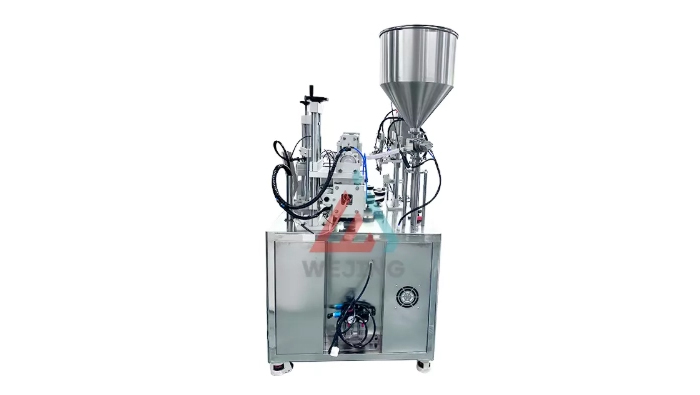
In industries like pharmaceuticals, cosmetics, and food, tube filling and sealing machines are indispensable. Have you ever wondered how these machines improve production speed while maintaining quality?
In this article, we will discuss the essential precautions, regulations, and solutions for tube filling and sealing machines. You’ll learn how to optimize machine performance and ensure safety in your operations.
Key Installation and Setup Requirements for Tube Filling Machines
How to Install and Set Up Your Tube Filling Machine
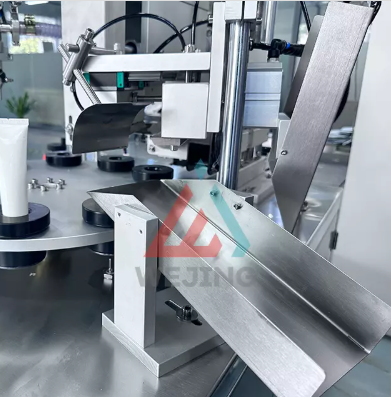
Setting up a tube filling and sealing machine requires careful attention to detail to ensure proper function. Begin by checking that all machine components are in good working condition, including the power and air connections. Ensure that the machine is positioned on a stable surface to prevent any vibrations, which could affect its performance.
Before starting the installation, consult the machine’s manual for any specific electrical and pneumatic requirements. These specifications need to be followed exactly to ensure optimal operation and avoid any malfunctions. Proper setup is crucial for ensuring that the machine operates efficiently and produces high-quality results.
Importance of Initial Testing and Calibration
Once the machine is set up, perform a series of initial tests to calibrate the system and ensure it functions correctly. Begin by running the machine in idle mode for a few minutes. This allows the machine’s components to warm up and ensures that everything is in working order. Calibration is crucial because it allows the machine to accurately fill the tubes and properly seal them according to the product specifications.
Operators should check for any irregularities, such as inconsistent filling levels or improper sealing. Adjust the machine settings as needed based on the test results to ensure that all processes are running smoothly. Proper calibration not only improves the performance of the machine but also contributes to the efficiency and consistency of production.
Operator Training: Essential for Safe and Efficient Use
Proper training is essential for anyone operating a tube filling and sealing machine. Trained operators will be more familiar with the machine’s setup, functions, and safety protocols, reducing the likelihood of errors during operation. The training should cover the key aspects of the machine, including its maintenance procedures, troubleshooting steps, and emergency protocols.
Operators should also be trained in machine inspection and calibration to ensure they can identify any issues quickly and efficiently. Regular training sessions can keep operators updated on new safety regulations and best practices, which will help maintain a safe and productive working environment.
Safety Regulations: Protecting Operators and Equipment
Ensuring a Safe Working Environment Around Tube Filling Machines
Creating a clean and organized workspace is a fundamental safety measure. Ensure that the area around the machine is free from any hazardous materials, obstructions, or debris. This also includes ensuring proper lighting in the workspace so that any potential issues, such as leaks or spills, can be spotted and addressed quickly.
Operators should always wear personal protective equipment (PPE) such as gloves, safety glasses, and protective clothing to minimize the risk of injury. PPE is crucial because it helps protect workers from potential exposure to hazardous materials and the machine’s moving parts. In addition, ensure that the workspace is well-ventilated to avoid the buildup of harmful fumes or dust, which could cause health risks.
Electrical Safety: Key Precautions and Emergency Measures
Electrical safety is a major consideration when operating tube filling and sealing machines. To avoid accidents or electrical failures, never use liquids to clean the machine’s electrical components. Always disconnect the machine from the power source before performing any maintenance or cleaning to prevent the risk of electrocution or short circuits.
In case of an emergency, the machine should be equipped with an emergency stop button that immediately halts all functions. Operators must be trained to use the emergency stop button correctly and promptly to prevent accidents and ensure the safety of all personnel. A fast response to emergencies is crucial in maintaining a safe working environment.
Regular Machine Inspections and Maintenance Procedures
Routine inspections are critical to ensuring that tube filling and sealing machines operate at peak performance. Regularly check both mechanical and electrical components to verify that everything is functioning correctly. A daily checklist should include inspecting the fill volume, checking the quality of seals, and making sure that no unusual noises or vibrations are present during operation.
Scheduled inspections can identify early signs of wear and tear on machine parts, allowing operators to perform maintenance before major breakdowns occur. By sticking to a maintenance schedule, companies can keep their machines running smoothly and prevent costly repairs.
Common Tube Filling Machine Problems and How to Solve Them
| Problem | Possible Cause | Solution |
| Poor Sealing | Incorrect sealing temperature, contamination | Adjust temperature, clean tubes before sealing. |
| Inconsistent Fill Volumes | Valve spring pressure, product viscosity | Adjust valve settings and test for consistent fill volumes. |
| Unusual Noise or Vibration | Loose parts, misalignment, worn-out bearings | Inspect for loose parts, lubricate moving components, and align properly. |
Addressing Poor Sealing: Causes and Solutions
Poor sealing is one of the most common issues that can occur during the tube filling process. It may result from incorrect sealing temperature, insufficient air pressure, or contamination on the tube surface. If the sealing temperature is too low, increase it according to the manufacturer's recommended specifications. Similarly, if the air pressure is too low, adjust the regulator to provide the necessary pressure for proper sealing.
Contamination can also interfere with the sealing process, so it's essential to ensure the tube’s surface is clean before sealing. Residue or dirt on the tube can prevent the seal from adhering properly, resulting in weak seals and potential leaks. Regular cleaning before sealing is a simple but effective way to avoid this problem.
Fixing Inconsistent Fill Volumes: Adjustments to Make
Inconsistent fill volumes can arise when the valve spring pressure is improperly calibrated, or when the product’s viscosity affects the flow rate. For thicker products, it’s important to adjust the valve settings so that the valve opens and closes at the correct speed. Too high a spring pressure can cause inconsistent fills, leading to either overfilling or underfilling.
To correct this issue, check the valve settings and adjust the spring pressure. Running multiple test cycles and verifying the fill volume will help ensure that the correct amount of product is dispensed into each tube. Consistent filling is crucial to maintaining product quality and preventing waste.
Troubleshooting Operational Issues: Unusual Sounds or Vibration
Unusual sounds or vibrations can indicate that there is a mechanical issue with the machine, such as loose parts, misalignment, or worn-out bearings. It’s important to stop the machine immediately if these issues occur and conduct a thorough inspection.
Inspect the machine for any loose bolts or parts, and lubricate moving components to reduce friction. Additionally, check that all parts are properly aligned and that bearings and seals are in good condition. Addressing these problems promptly can prevent further damage and reduce costly downtime.
Cleaning and Maintaining Tube Filling and Sealing Machines
| Maintenance Task | Frequency | Details |
| Clean nozzles and filling tubes | After each use | Prevents contamination from residue buildup. |
| Lubricate moving parts | Weekly | Reduces friction, prevents wear and tear on gears and joints. |
| Inspect pneumatic and hydraulic systems | Monthly | Check fluid levels and replace worn seals to maintain efficiency. |
| Inspect and calibrate machine | Quarterly | Ensures that filling volumes and sealing quality remain consistent. |
The Importance of Regular Cleaning for Optimal Performance
Cleaning is essential for preventing contamination and maintaining smooth operation. After each use, clean all parts of the machine that come into contact with the product. This includes nozzles, filling tubes, and sealing heads. Failure to clean these parts regularly can lead to the buildup of residue, which can affect the quality of future batches.
A cleaning schedule should be established based on the machine's usage. Machines used for high-volume production require more frequent cleaning than those used for smaller batches. Regular cleaning also extends the lifespan of the machine and prevents costly maintenance.
Lubrication and Regular Maintenance for Longevity
Proper lubrication of moving parts helps reduce friction and prevents excessive wear and tear. Gears, seals, and joints should be lubricated regularly to keep the machine running smoothly. Additionally, check electrical connections for signs of wear or corrosion and replace any worn-out components promptly.
Maintaining pneumatic and hydraulic systems is also essential. Periodically check the fluid levels and replace any worn seals to ensure the machine’s operation remains efficient and reliable.
Caring for Advanced Components: Sensors and Hydraulic Systems
Tube filling and sealing machines often include advanced components such as sensors and hydraulic systems that require special care. Clean sensors gently and regularly to maintain their accuracy, as dirt or debris can impair their function. For machines with hydraulic systems, check fluid levels frequently and replace the fluid when necessary to avoid system malfunctions.
Additionally, regular software updates are crucial for automated systems. Keeping software up to date ensures that the machine continues to function at its optimal level and incorporates any new features or improvements.
Operational Precautions for Tube Filling Machines
| Step | Action |
| Check air supply | Ensure the air pressure is within the required range. |
| Inspect cooling system | Verify that the cooling system is working properly. |
| Check for leaks | Inspect tubes and machine seals for potential leaks. |
| Confirm calibration | Run a test cycle to ensure the machine fills and seals accurately. |
Pre-Operation Checklist: Ensuring Everything is Ready
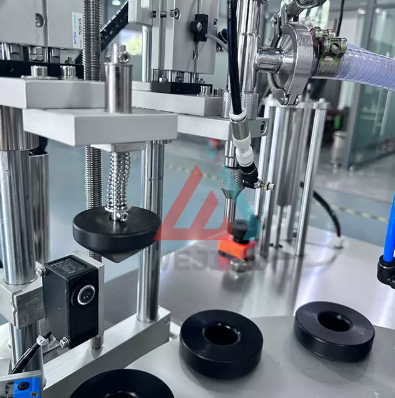
Before starting the tube filling and sealing machine, operators must perform a detailed inspection of all critical components. Begin by verifying the air supply, ensuring the pressure is within the recommended range. The air pressure must be consistent to ensure proper filling and sealing, as variations can cause inaccuracies in both. Check that the cooling system is functional and that the machine is properly cooled, especially when handling heat-sensitive products.
Next, inspect the machine's electrical connections, ensuring they are secure and free from wear or damage. Confirm that the machine is calibrated for the specific type of product being filled, as different products may require different fill volumes, sealing temperatures, and operational speeds. Finally, ensure the work area is clean and free from any debris that could interfere with the machine's function. A thorough inspection and pre-operation setup will prevent unnecessary downtime and ensure that the machine operates smoothly from the start.
Monitoring Machine Performance During Operation
Once the machine is running, continuous monitoring is essential to ensure optimal performance. Operators should listen carefully for any unusual sounds, such as grinding or clicking, which may indicate mechanical issues such as misaligned components or worn-out parts. Vibration should also be checked, as excessive vibrations can signal problems with the machine’s alignment or balance.
Additionally, operators should regularly check the fill volume and sealing quality, as variations in these factors can indicate underlying issues. It’s crucial to run test cycles before starting full production, especially when changing product types or switching between batches. These test runs help identify any inconsistencies early on, allowing operators to make necessary adjustments to settings like fill volume, sealing temperature, or air pressure. Monitoring the machine’s performance throughout the production run ensures that any problems are caught and addressed immediately, minimizing downtime and maintaining product quality.
Conclusion: Ensuring Longevity and Efficiency in Tube Filling Machines
Tube filling and sealing machines are crucial for efficient production across various industries. Proper installation, regular maintenance, and strict safety protocols ensure optimal machineperformance. Regular cleaning, calibration, and training help minimize downtime and improve product quality. Maintaining these machines is a long-term investment in both efficiency and cost savings.
Guangzhou Wejing Intelligent Equipment Co., Ltd. offers advanced tube filling and sealing machines, providing innovative solutions that enhance operational efficiency and product consistency, making them a trusted partner for businesses seeking reliable equipment.
FAQ
Q: What is a Tube Filling and Sealing Machine?
A: A Tube Filling and Sealing Machine automates the process of filling tubes with products such as creams, ointments, and adhesives. It ensures accurate filling, sealing, and quality control, improving production efficiency.
Q: How does a Tube Filling and Sealing Machine improve production?
A: By automating the tube filling process, a Tube Filling and Sealing Machine speeds up production, reduces human error, and ensures consistent product quality, leading to greater efficiency.
Q: Why is regular maintenance important for a Tube Filling and Sealing Machine?
A: Regular maintenance ensures that the Tube Filling and Sealing Machine operates at peak performance, reduces downtime, and extends the machine's lifespan, preventing costly repairs.
Q: What are common issues with Tube Filling and Sealing Machines?
A: Common issues include poor sealing, inconsistent fill volumes, and unusual noise. These can often be resolved by adjusting settings like air pressure and temperature or performing routine maintenance.
Q: How can I reduce downtime with my Tube Filling and Sealing Machine?
A: To reduce downtime, ensure proper calibration, clean the machine regularly, and provide ongoing operator training to address potential issues before they disrupt production.
Q: What factors affect the cost of a Tube Filling and Sealing Machine?
A: The cost of a Tube Filling and Sealing Machine depends on factors like its size, automation level, product compatibility, and additional features like temperature controls or automated filling adjustments.


