Introduction
Aerosol filling production requires high precision and stable process control. During manufacturing, issues such as leakage, inaccurate filling, valve misalignment, and gas pressure instability can affect product quality and production efficiency. Fortunately, these problems can be minimized with reliable equipment, proper maintenance, and optimized production processes. This article discusses the most common challenges in aerosol filling production and provides practical solutions to improve manufacturing performance.
1. Leakage Problems
Leakage is one of the most common quality issues in aerosol production. Even a small leak can reduce internal pressure, affect spray performance, and shorten product shelf life.
Common Causes
Leakage may occur because of:
Poor valve crimp sealing
Damaged aerosol valves
Incorrect crimp diameter
Defective aerosol cans
Worn sealing components
Solutions
To reduce leakage problems, manufacturers should:
Use high-precision crimping machines
Regularly inspect crimping heads
Adjust sealing pressure according to valve specifications
Replace worn sealing parts on schedule
Perform routine leak testing during production
Modern automatic aerosol filling lines usually include hot water bath or electronic leak testing systems to detect defective products before packaging.
2. Inaccurate Liquid Filling
Accurate filling volume is essential for product consistency and regulatory compliance.
If the filling volume varies from one can to another, customers may receive products with inconsistent performance, while manufacturers may also waste raw materials.
Common Causes
Liquid filling errors may result from:
Pressure fluctuations
Pump wear
Incorrect parameter settings
Changes in product viscosity
Poor equipment calibration
Solutions
Manufacturers can improve filling accuracy by:
Using servo-controlled or high-precision dosing systems
Regularly calibrating filling equipment
Maintaining stable liquid pressure
Adjusting filling parameters according to product viscosity
Performing routine quality inspections
Modern PLC control systems can automatically monitor filling accuracy and reduce manual adjustments.
3. Valve Misalignment
Proper valve positioning is critical because it directly affects crimp quality and gas sealing.
If the valve is not correctly aligned, the finished aerosol can may leak or fail during use.
Common Causes
Valve misalignment is usually caused by:
Solutions
Automatic valve inserting machines greatly improve positioning accuracy by ensuring each valve is placed consistently before crimping.
Manufacturers should also:
Inspect valve feeders regularly
Replace worn positioning components
Check machine synchronization during maintenance
Accurate valve insertion reduces production defects and improves overall efficiency.
4. Gas Overfill or Underfill
The amount of propellant directly influences spray performance and internal pressure.
Overfilled cans may create safety risks, while underfilled cans often produce weak or inconsistent spraying.
Common Causes
Common reasons include:
Solutions
Manufacturers should use pressure-controlled gas filling systems capable of maintaining stable filling conditions.
Additional recommendations include:
Monitoring gas pressure continuously
Calibrating filling valves regularly
Using automated PLC control systems
Inspecting gas supply equipment
Stable gas filling improves both product quality and production safety.
5. Equipment Downtime
Unexpected equipment downtime reduces production efficiency and increases manufacturing costs.
Most downtime is caused by insufficient preventive maintenance.
Common Causes
Lack of lubrication
Worn mechanical parts
Sensor failures
Electrical faults
Poor maintenance planning
Solutions
A preventive maintenance program should include:
Daily equipment inspection
Regular lubrication
Scheduled replacement of wear parts
PLC diagnostics
Electrical system inspection
Routine maintenance significantly extends equipment life and minimizes unexpected production interruptions.
6. Safety Risks During Aerosol Production
Because aerosol production often involves flammable propellants such as LPG or DME, safety is one of the highest priorities.
Potential Risks
Gas leakage
Fire hazards
Pressure abnormalities
Static electricity
Operator errors
Solutions
Modern aerosol filling lines should include:
Explosion-proof electrical components
Gas leakage detection systems
Emergency stop systems
Pressure monitoring devices
Ventilation systems
Regular operator training and equipment inspections also help maintain a safe production environment.
7. How to Prevent Production Problems
Rather than solving defects after they occur, manufacturers should focus on prevention.
Recommended practices include:
Selecting reliable aerosol filling equipment
Following preventive maintenance schedules
Calibrating filling systems regularly
Training production operators
Performing quality inspections throughout the production process
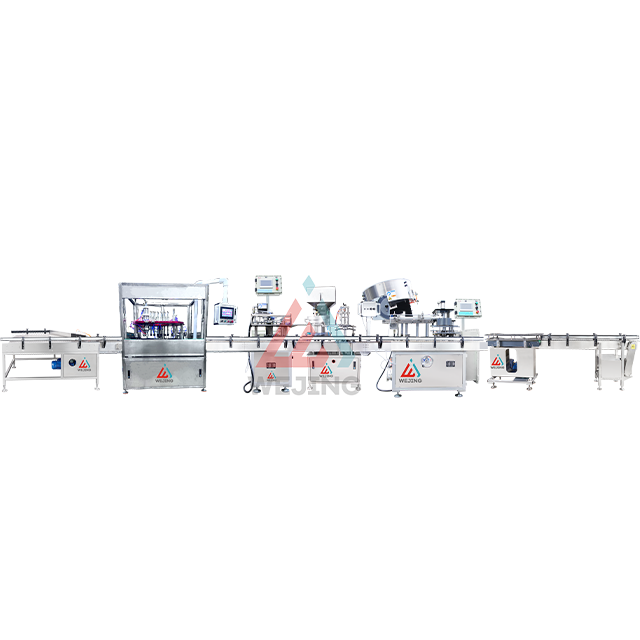
A well-designed automatic aerosol filling line can greatly reduce human error and improve overall manufacturing stability.
Conclusion
Most problems in aerosol filling production—such as leakage, inaccurate filling, valve misalignment, gas pressure instability, and equipment downtime—can be effectively minimized through proper equipment selection, regular maintenance, and automated process control.
Investing in a high-quality aerosol filling production line not only improves product consistency and production efficiency but also enhances workplace safety and reduces long-term operating costs.
Wejing provides professional aerosol filling machines and complete production line solutions designed to help manufacturers achieve reliable, efficient, and high-quality aerosol production.