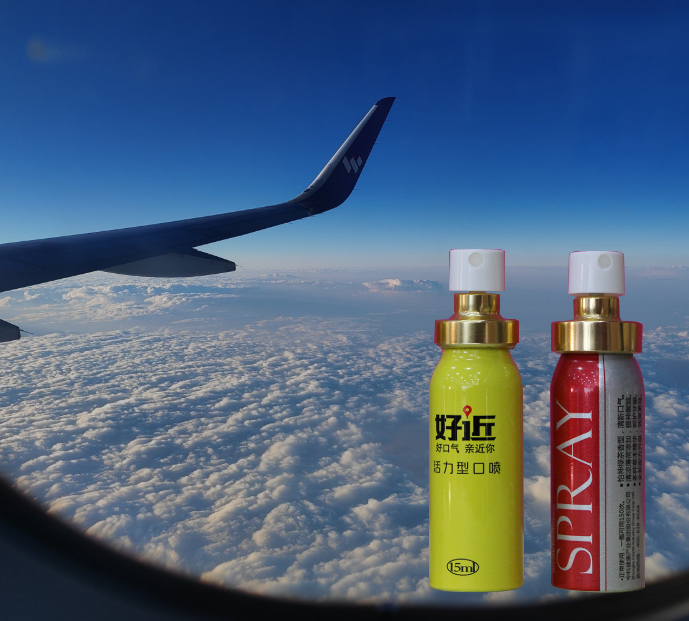
You can take an aerosol can on a plane if you follow TSA rules. Aerosol cans in your carry-on must be 3.4 oz (100 ml) or less. TSA says these must fit in a quart-sized bag. Bigger aerosol cans go in checked bags. Airlines use FAA rules for checked bags. Each aerosol can must be under 18 oz. You cannot have more than 70 oz of aerosol total per person. To fly safely with aerosol cans, use caps or covers to stop leaks. TSA may check any aerosol can that sets off an alarm.
Tip: There are exceptions for medications or baby food.
Aerosol cans from duty-free over 3.4 oz need safe packaging and a receipt.
Baggage Type | Aerosol Can Rules |
Carry-On Bags | Only cans of 3.4 oz (100 ml) or less are allowed |
Checked Bags | Each can must be under 18 oz, total 70 oz per person |
Packaging | Use caps or covers to stop leaks |
Aerosol cans on planes are fine if you know the rules. TSA and airline rules help keep everyone safe when flying.
Key Takeaways
You can bring aerosol cans on planes if you follow TSA and airline rules about size and quantity.
Carry-on aerosol cans must be 3.4 ounces or less and fit in a clear quart-sized bag.
Checked bags can hold larger aerosol cans up to 18 ounces each, but total aerosols must not exceed 70 ounces per person.
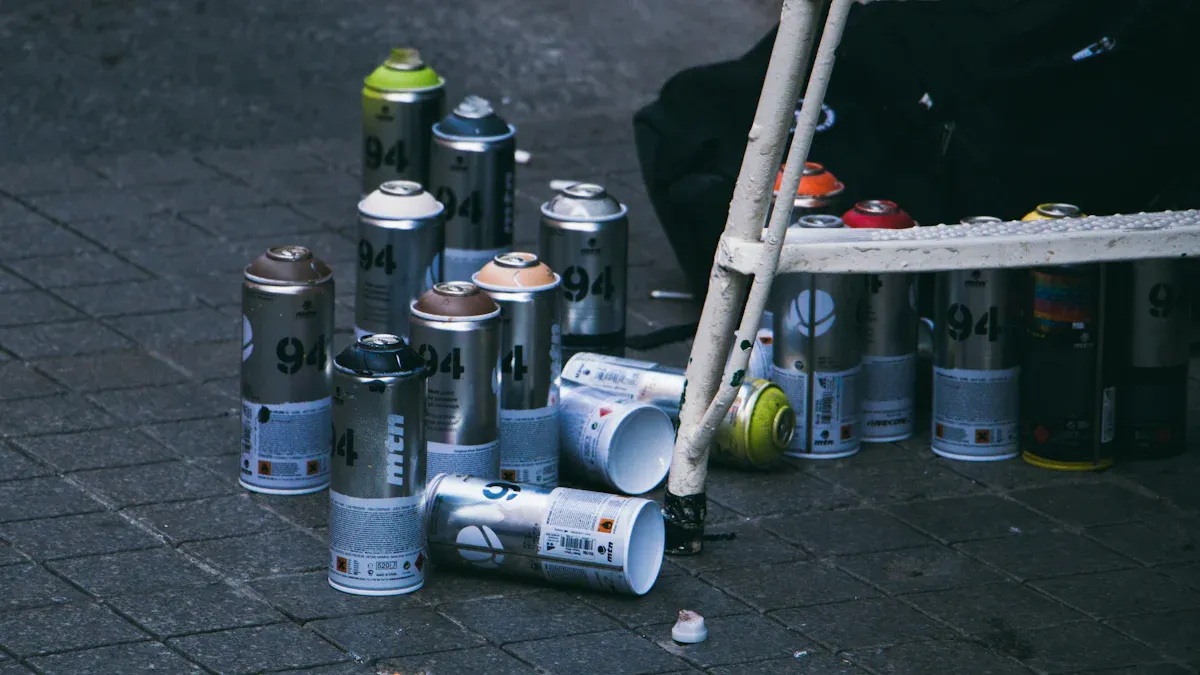
Never pack flammable or hazardous aerosols like spray paint or pepper spray; these are banned on planes.
Use caps, covers, and heavy-duty bags to prevent leaks and protect your aerosol cans during travel.
Aerosol Can Regulations
TSA Rules
It is important to know TSA rules before you pack aerosol cans. TSA lets you bring aerosol cans in your carry-on if each can is 3.4 ounces or less. All aerosol cans must go in a clear quart-sized bag. This is called the 3-1-1 rule for liquids. You should put a cap or cover on the nozzle or button. This stops leaks or sprays by accident. TSA officers make the final decision at the checkpoint. They can look at any aerosol can if it seems unsafe.
Aerosol cans in carry-ons must be 3.4 oz or less.
Put all aerosols in a quart-sized clear bag.
Use caps or covers to stop leaks.
TSA officers choose what can go through.
Aerosols in checked bags must follow FAA rules.
TSA rules help keep everyone safe when flying. You must follow these rules to avoid problems at security.
Carry-On vs. Checked Bags
You need to know the rules for carry-on and checked bags. TSA and FAA have different rules for each. Check the size and number limits before you pack.
Aspect | Carry-On Bags | Checked Bags |
Container Size Limit | Max 3.4 oz per container | Max 18 oz per container |
Quantity Limit | All aerosols must fit in one quart-sized bag | Total limit is about 70 oz per person |
Allowed Aerosol Types | Only personal care and medicine aerosols | Toiletries, medicine aerosols, insect repellents (personal use) |
Prohibited Aerosols | Flammable aerosols, self-defense sprays, big cans | Highly flammable aerosols, some insecticides, self-defense sprays (unless allowed) |
Packing Requirements | Must fit in liquids bag, show at screening | Caps must be tight; bagging aerosols helps stop leaks |
Additional Notes | Self-defense sprays are banned in cabin | Airline and country rules may be stricter; check before travel |
Follow these rules to avoid delays or losing your items. Carry-on bags have stricter liquid size rules. Checked bags let you bring bigger aerosol cans, but not over the total limit. Always check airline rules before you fly.
Flammable Aerosols
TSA and FAA do not allow flammable aerosols on planes. You cannot pack spray paints, butane, or other flammable aerosols in any bag. This rule is to stop fire risks on planes.
TSA and FAA ban flammable aerosols on planes.
Examples are spray paint, car aerosol, and butane.
You cannot bring these in carry-on or checked bags.
The ban helps stop fires and keeps people safe.
TSA only allows non-flammable aerosols or small amounts for personal use.
Some exceptions are for medicine and toiletry aerosols. TSA lets you bring small amounts of these, up to 70 ounces total. Each can must be 18 ounces or less. You must use a cap or cover on the spray part. If you need more medicine aerosol than usual, tell TSA and have it labeled. TSA can check or test these items.
Aerosol Type | Restrictions on Commercial Flights | Conditions and Notes | Quantity Limits |
Flammable Aerosols | Not allowed in carry-on or checked bags | Applies to non-medicine/toiletry aerosols like spray paint, WD-40, cooking spray. | N/A |
Nonflammable Aerosols | Allowed in carry-on and checked bags | Must have caps to stop accidental spray; gas must not bother crew. | Max per person: 2 kg (70 oz) or 2 L (68 fl oz); each can max 0.5 kg (18 oz) or 500 ml (17 fl oz) |
Compressed Gas Canisters | Not counted as aerosols here; not allowed | Includes canned oxygen, refrigerant gases, compressed air for cleaning electronics. | N/A |
You must follow all rules when packing aerosol cans for flying. TSA and FAA rules keep you and others safe. Always check the rules before you travel.
Aerosols on Planes
Allowed Aerosol Types
You can take some aerosols on planes if you follow rules. Most airlines let you bring toiletry aerosols like deodorant or hair spray. Dry shampoo is also an aerosol. Each aerosol can in your carry-on must be 3.4 ounces or less. All aerosols must fit inside a quart-sized bag. If you want bigger cans, put them in checked bags. You cannot have more than 70 ounces of aerosols in checked bags. Each can must be 18 ounces or less. Aerosol insecticides are not allowed in carry-on bags. You can pack them in checked bags if they are not marked hazardous.
Aerosol Type | Allowed in Carry-on? | Allowed in Checked Baggage? | Size/Quantity Restrictions |
Toiletry aerosols | Yes, if container ≤ 3.4 oz (100 ml) | Yes, total ≤ 70 oz (68 fl. oz), each ≤ 18 oz (16 fl. oz) | Must fit in liquids bag for carry-on; size limits apply |
Dry shampoo | Yes, if container ≤ 3.4 oz | Yes, subject to checked baggage limits | Treated as liquid by TSA despite non-liquid content |
Aerosol insecticides | No | Yes, if not labeled hazardous material (HAZMAT) | Check airline policies; prohibited in carry-on |
Tip: Always use caps or locks on aerosol cans. This helps keep everyone safe when flying.
Prohibited Aerosols
Some aerosols are not allowed on planes. You cannot bring flammable aerosols like spray paint or WD-40. Bear spray and pepper spray are banned too. Household aerosols like bleach or oven cleaners are not allowed. Airlines and TSA ban these items because they are dangerous.
Aerosol Product Category | Examples | Allowed for Travel? |
Personal Care Aerosols | Deodorant, hair spray, insect repellent | Allowed with size and quantity limits (3.4 oz carry-on; max 70 oz total in checked bags, each ≤16 fl oz) |
Household Aerosols | Bleach, spray starch, insecticides, drain cleaners, solvents, oven/bathroom cleaners | Explicitly prohibited |
Pressurized Containers/Gases | Spray cans, butane, fuel, propane tanks, CO2 cartridges | Explicitly prohibited |
You should check the airline's list of banned aerosols before you pack. If you try to bring banned aerosols, security may take your items.
Safety Concerns
Aerosols on planes can cause safety problems. Aviation authorities limit aerosols because they can explode or leak. Some aerosols, like pepper spray, can hurt people if they go off in the cabin. Limits on liquid and aerosol size help stop dangerous items. Aerosol cans need extra care because compressed gas can cause accidents.
Some flights had health complaints from aerosol pesticide sprays. Crew and passengers said they had eye and skin irritation. Some had trouble breathing and memory loss after exposure. Lawsuits happened, but no crashes or emergency landings were caused by aerosols. Airlines use these sprays to protect public health. You may feel discomfort if exposed.
Aviation rules limit aerosols to stop security risks.
Some countries require insecticide spraying on planes.
You may feel mild symptoms if exposed to aerosol sprays during a flight.
Note: Always pack aerosols safely and follow all rules. This keeps you and others safe.
Pack Aerosol Cans for Flying
How to Pack Aerosol Cans
You need to know how to pack aerosol cans for flying to avoid problems at the airport. Airlines and the TSA have strict guidelines. You must follow these steps to pack aerosol cans for flying in your carry-on:
Check the label. Make sure the aerosol is not flammable or hazardous.
Only pack aerosol cans for flying if each can is 3.4 oz (100 ml) or less.
Place all aerosols in a single clear quart-sized bag.
Use a cap or cover on every nozzle or button to stop accidental sprays.
Bug repellents in aerosol form go in your carry-on only if you use them on your skin.
Never pack aerosol insecticides in your carry-on. You can only pack them in checked bags if they are not hazardous.
Double-check the total amount. You cannot exceed the allowed limit for aerosols.
For checked bags, you must also know how to pack aerosol cans for flying:
Each aerosol can for flying must be under 18 oz (500 ml).
The total amount of aerosols in checked bags cannot go over 70 oz (2 kg).
Always use a cap or cover on each can.
Place aerosol cans for flying in the center of your suitcase.
Wrap each can in soft clothing or padding.
Put aerosol cans for flying in a heavy-duty zip lock freezer bag.
Avoid packing sharp or heavy items near the cans.
Tip: Always check airline guidelines before you pack aerosol cans for flying. Some airlines have stricter rules.
Packing Tips
Packing aerosols for flying takes care and attention. You want to avoid leaks, damage, or delays. Use these tips to pack aerosol cans for flying the right way:
Secure each aerosol can for flying inside your luggage. Place it upright in the center.
Wrap each can in clothing or bubble wrap for extra protection.
Use heavy-duty zip lock freezer bags. Double or triple bagging gives more safety.
Never overpack your suitcase. Pressure can damage aerosol cans for flying.
Keep aerosols away from sharp objects. This stops punctures.
Inspect each can before you pack it. Do not pack damaged or dented cans.
Always use the original cap or a tight cover.
Label your aerosol cans for flying if they are for medical use. Bring a doctor's note if needed.
Check the expiration date. Old aerosols may leak or burst.
Packing Step | Carry-On Bags | Checked Bags |
Size Limit | 3.4 oz (100 ml) per can | 18 oz (500 ml) per can |
Total Limit | All cans must fit in one quart bag | 70 oz (2 kg) total per person |
Bag Type | Clear quart-sized bag | Heavy-duty freezer bag |
Position in Luggage | Top, easy to remove at security | Center, cushioned by clothing |
Cap/Cover | Required | Required |
Label/Documentation | Needed for medical aerosols | Needed for medical aerosols |
Note: Packing aerosols for flying the right way helps you avoid delays and keeps your belongings safe.
Preventing Leaks
Pressure changes during flying can cause leaks. You must take precautions when you pack aerosol cans for flying. Follow these guidelines to prevent leaks and accidental sprays:
Always use heavy-duty zip lock freezer bags. These bags are thicker and stronger than regular sandwich bags.
Double or triple bag each aerosol can for flying for extra protection.
Place aerosol cans for flying upright in your luggage.
Cushion each can with soft clothing or bubble wrap.
Never tape the cap. Pressure can break the seal.
Inspect each can for dents, rust, or leaks before you pack it.
Do not pack aerosol cans for flying if they look damaged.
Avoid placing heavy items on top of aerosol cans for flying.
Keep aerosols away from heat sources or direct sunlight.
Callout: The best way to avoid leaks is to buy travel-size aerosol cans for flying or purchase aerosols at your destination.
Leak Prevention Method | Effectiveness | Notes |
Heavy-duty freezer bags | High | Double or triple bag for best results |
Wrapping in clothing | Medium | Adds extra cushion |
Taping the cap | Low | Not reliable due to pressure changes |
Buying at destination | Very High | No risk of leaks during flying |
Travelers often make mistakes when they pack aerosol cans for flying. Many forget about the 3.4 oz limit for carry-on bags. Some pack prohibited aerosols like spray paint or flammable products. Others do not secure the cap or use the wrong type of bag. These mistakes can lead to delays, confiscation, or penalties.
You must follow all guidelines for the transportation of aerosols. Always check the rules for the transportation of aerosols before you fly. If you need to transport aerosol products for medical reasons, label them and bring documentation. This helps TSA officers understand your needs.
Pack aerosol cans for flying with care. Use the right materials and follow all guidelines. You will travel safely and avoid problems.
Alternatives and Solutions
Non-Aerosol Options
There are many non-aerosol choices for travel. Experts say to use solid or non-liquid care items. These help you follow the 3-1-1 rule and avoid trouble at security. You can bring travel-size creams, solid lip balms, roll-on perfumes, and wipes. These do not count as aerosols, so you skip liquid rules.
Cocoa butter is good for skin and hair.
Vaseline helps dry skin, removes makeup, and softens lips.
Smith's Rosebud salve works as lip balm, cuticle cream, and blush.
Dry exfoliants like Eminence Strawberry Rhubarb Dermafoliant mix with water.
Olay Dry 2 in 1 Face Cloths clean your face without liquid.
Solid soaps like Dove keep your skin soft and clean.
Lush bath bombs and bubble bombs help you relax.
Bath salts and milk powders are good for soaking or scrubbing.
Solid perfumes from Lush or Crabtree & Evelyn do not spill.
Moisturizing sticks, like Deep Steep, help your hands, face, and feet.
Non-aerosol choices are safer and easier to use. You avoid toxic chemicals and flammable gases in aerosol cans. Newer products, like bag-on-valve, use air or nitrogen. These do not cause fire risks. Roll-ons and pump sprays do not use harmful gases. You get only the product and face fewer travel rules. Many people now pick these safer, TSA-friendly items.
Tip: Use small containers for your favorite products. This makes your routine easy and stress-free.
Handling Damaged Cans
You need to check your aerosol cans before flying. Damaged or leaking cans can cause problems at the airport. Airlines and the FAA have strict safety rules. If you see a damaged can, do not pack it. Stand each aerosol up in a sealed plastic bag. Wrap it in clothes or bubble wrap for extra safety. Do not overpack your bag, as pressure can hurt the can.
If airport staff find a leaking or broken aerosol, they will take it out. They may check other bags nearby for leaks. The FAA says leaking or hidden dangerous items can lead to fines. Always pack your aerosols the right way to avoid trouble.
Here are some ways to handle leaking aerosol cans:
Take the can out of your bag right away.
Put it in a sealed bag and tell airport staff.
Do not touch leaking cans with bare hands.
Never put bags with leaks on the plane.
Note: Packing and handling aerosols the right way keeps everyone safe when flying.
Conclusion
When flying, you want to keep your trip smooth and safe. Follow these steps for flying with aerosol cans:
Pack aerosol cans in checked luggage when flying, if possible.
Use only travel-size cans for flying in carry-on bags.
Label and seal each can before flying.
Avoid flying with prohibited aerosols.
Never pack damaged cans when flying.
Stay under quantity limits for flying.
Tip: Always check airline and TSA rules before flying. Rules can change for flying on international trips.
Safer alternatives make flying easier. Solid deodorants, pump sprays, and buying products at your destination help you avoid leaks when flying. You can relax knowing you packed right for flying.
FAQ
Can you bring aerosol deodorant on a plane?
You can pack aerosol deodorant in your carry-on if it is 3.4 oz or less. It must fit inside a quart-sized bag. You can use larger cans in checked bags if each stays under 18 oz.
What happens if your aerosol can leaks during a flight?
Leaking cans can damage your belongings. You should use heavy-duty bags and wrap each can in clothing. If you notice a leak, remove the can and tell airline staff.
Are aerosol insecticides allowed in carry-on bags?
You cannot bring aerosol insecticides in your carry-on. You can pack them in checked bags if they are not hazardous. Always check airline rules before you travel.
Do you need to label medical aerosols for TSA?
You should label medical aerosols. You can bring a doctor's note. It helps TSA officers understand your needs and speeds up screening.
Can you buy aerosol cans at your destination instead?
You can buy aerosol cans after you land. It helps you avoid leaks and rule violations. Many stores sell travel-size products.