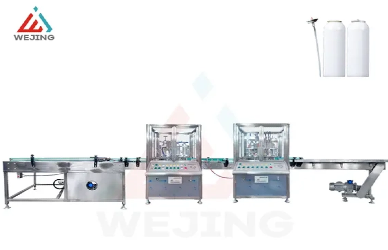
Aerosol sprays are ubiquitous in daily life, used in everything from cosmetics and personal care products to household cleaners and industrial applications. The aerosol filling process, though essential for these products, raises several environmental concerns that need to be addressed. From the propellants used in aerosol cans to energy consumption and waste generation, the environmental footprint of aerosol spray filling is substantial. This article delves into the environmental concerns associated with aerosol spray filling, explores sustainable alternatives, and highlights the regulatory frameworks that aim to mitigate its impact.
1.Aerosol Spray Filling Process
Aerosol spray filling is a carefully managed process that ensures the product is delivered efficiently to consumers. The process involves several stages, including filling the container with the product, adding the propellant, sealing the can, and conducting quality control tests.
Components of Aerosol Products
A typical aerosol product consists of three primary components:
The product: This is the liquid or semi-liquid substance inside the can, such as a cleaning agent, deodorant, or paint.
The propellant: A gas or liquid that pressurizes the can to expel the product when the nozzle is activated.
The container: Typically a metal canister, often made of aluminum or steel, which houses both the product and the propellant.
The filling process begins with the product being transferred into the can. Then, the propellant is added, followed by sealing the can and performing tests to ensure that the product dispenses correctly. The propellant plays a crucial role in the operation of the aerosol, but it is also a key source of environmental concern, particularly regarding emissions.
The Role of Propellants in Aerosol Filling
Propellants are essential to the aerosol filling process, as they provide the pressure needed to release the product. They are typically gases stored under pressure within the can. In earlier formulations, harmful chemicals like CFCs (chlorofluorocarbons) were used, which contributed significantly to ozone depletion. However, with the introduction of stricter regulations, alternative propellants like hydrocarbons, compressed gases, and fluorocarbons have been adopted.
Despite these improvements, propellants still pose environmental risks, particularly when it comes to greenhouse gas emissions and their contribution to global warming. As a result, reducing the environmental impact of propellants has become a critical focus of the aerosol industry.
2.Environmental Impact of Propellants
The type of propellant used in aerosol products plays a central role in determining their environmental footprint. Understanding the various propellants used in aerosol products and their environmental impact is essential to identifying more sustainable alternatives.
Ozone Depletion and Greenhouse Gas Emissions
Historically, CFCs were used as propellants in aerosols, and these compounds are known to deplete the ozone layer. The ozone layer is essential for protecting the Earth from harmful ultraviolet (UV) radiation, and its thinning has led to increased risks of skin cancer and other health issues. In response to this, international agreements like the Montreal Protocol have led to the phase-out of ozone-depleting substances, including CFCs, in aerosol products.
However, some alternative propellants, such as fluorocarbons (HFCs), while safer for the ozone layer, still have a significant global warming potential (GWP). These gases can trap heat in the atmosphere, contributing to climate change. Though they are less harmful than CFCs, their long-term environmental impact remains a concern.
Eco-Friendly Alternatives to Harmful Propellants
In recent years, the aerosol industry has turned to more eco-friendly alternatives to replace CFCs and reduce the environmental impact of aerosol propellants. Some of these alternatives include:
Hydrocarbons (e.g., butane, propane, isobutane): These are low-GWP, relatively inexpensive, and commonly used in modern aerosol products. However, they are flammable, which requires special handling and safety measures during production.
Compressed gases (e.g., nitrogen, carbon dioxide): These are non-flammable, non-toxic, and have minimal environmental impact, making them suitable for products like food and medical aerosols.
Bio-based propellants: Derived from renewable resources such as plant-based oils, these propellants are being explored as a sustainable alternative with reduced environmental impact.
While these alternatives are a step in the right direction, there is still work to be done to ensure that the aerosol industry moves towards fully sustainable propellants that do not contribute to global warming or other environmental issues.
3.Energy Consumption in Aerosol Filling
The aerosol filling process is energy-intensive, requiring significant amounts of power to fill, seal, and test cans. The environmental impact of aerosol production is not limited to the materials used; the energy required to run manufacturing facilities also plays a significant role in the overall carbon footprint of aerosol products.
Energy Usage in Manufacturing
Aerosol manufacturing plants operate with complex machinery that includes filling machines, pressure testing systems, and sealing equipment. These machines require electricity, often generated from non-renewable sources, contributing to the carbon emissions of the production process. Additionally, the filling process may involve high-pressure systems and thermal sealing, both of which require significant energy input.
Reducing Energy Consumption
One of the key goals for the aerosol industry moving forward is to reduce the energy consumption associated with aerosol filling. This can be achieved through:
Energy-efficient technologies: Upgrading production equipment to more energy-efficient models.
Renewable energy: Shifting to solar, wind, or other renewable energy sources for manufacturing facilities.
Optimized production methods: Streamlining the aerosol filling process to reduce energy waste, such as using energy-efficient compressors and machinery.
By adopting these strategies, aerosol manufacturers can reduce their environmental footprint and contribute to more sustainable production practices.
4.Waste Generation and Recycling Concerns
The waste generated from aerosol spray filling is another significant environmental concern. From the empty cans themselves to the leftover product and propellants, aerosol products can generate considerable waste. Ensuring proper disposal and recycling is essential for minimizing the environmental impact of these products.
Waste Generation in Aerosol Filling
During the aerosol filling process, waste materials can include:
Empty cans: After the product is dispensed, aerosol cans are typically discarded. Many of these cans are made from aluminum or steel, which are recyclable, but improper disposal can lead to waste.
Leftover product: In some cases, not all the product in the can is dispensed, leading to waste.
Residual propellants: Aerosol cans often still contain small amounts of propellant even after use, leading to potential leakage or harmful emissions if not properly handled.
Challenges in Recycling Aerosol Cans
While aerosol cans are recyclable, there are several challenges to efficient recycling:
Safety concerns: Because aerosol cans contain pressurized gases, they must be properly vented before recycling. Improper disposal can lead to explosions or leakage of hazardous substances.
Product contamination: Aerosol cans may contain residue from chemicals that cannot be safely processed by recycling plants, further complicating the recycling process.
Lack of infrastructure: In some areas, there is insufficient infrastructure to support the recycling of aerosol cans, leading to them ending up in landfills.
Improving Recycling Programs
To address these challenges, improving recycling infrastructure and implementing better product disposal methods are key. Manufacturers are also exploring biodegradable aerosol packaging to reduce waste and improve the sustainability of aerosol products.
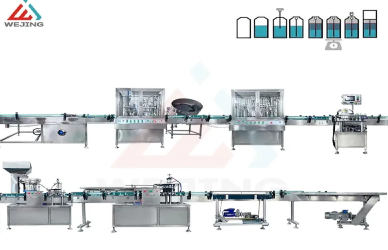
5.Chemical Waste and Toxicity
The chemicals used in aerosol products can contribute to toxicity and environmental pollution if not properly managed. Aerosol spray filling may involve the use of various solvents, preservatives, and additives to ensure product quality and performance. These chemicals, when not handled or disposed of properly, can pose a significant environmental threat.
Toxicity of Chemical Additives
Some chemical additives used in aerosol products are toxic and can contaminate water and soil if they leak out of improperly disposed cans. For instance, some solvents used in aerosol sprays may contain volatile organic compounds (VOCs), which contribute to air pollution and smog.
Minimizing Chemical Waste
Regulations and industry standards have been established to reduce the amount of harmful chemicals used in aerosol products. The adoption of green chemistry and the reduction of VOCs and toxic substances is essential for ensuring that aerosol products are safer for both the environment and the consumer.
6.Regulations and Standards for Sustainable Aerosol Filling
The Montreal Protocol
The Montreal Protocol, signed in 1987, is a global agreement aimed at phasing out substances that deplete the ozone layer, including CFCs. The protocol has had a profound impact on the aerosol industry by forcing manufacturers to transition to safer alternatives for propellants. This regulatory framework has also led to increased awareness of the environmental impact of aerosols and has spurred the development of sustainable alternatives.
Regulatory Bodies and Environmental Standards
Various national and international organizations regulate the aerosol industry to ensure environmental compliance. These include:
EPA (Environmental Protection Agency): In the U.S., the EPA sets standards for aerosol propellants and oversees the proper disposal of aerosol products.
European Union Regulations: The EU has implemented stringent regulations on VOC emissions and other environmental aspects of aerosol products.
These regulations play a crucial role in driving the industry toward more sustainable practices and ensuring that aerosol products meet environmental standards.
Frequently Asked Questions (FAQs)
1. How does aerosol spray filling impact the environment?
Aerosol spray filling impacts the environment through the use of propellants, energy consumption, and waste generation. Propellants can contribute to global warming, and improper disposal of cans can lead to waste.
2. What are the most common types of propellants used in aerosol products?
The most common propellants are hydrocarbons (propane, butane), compressed gases (nitrogen, carbon dioxide), and fluorocarbons (HFCs), with newer, eco-friendly alternatives emerging.
3. Can aerosol cans be recycled?
Yes, aerosol cans can be recycled, but they must be properly vented to release any remaining propellant and product. Recycling programs are improving, but challenges remain regarding contamination and safety.
4. What are the future trends for sustainable aerosol filling?
Future trends include the development of bio-based propellants, the use of refillable aerosol packaging, and the adoption of more energy-efficient production methods to reduce the environmental footprint of aerosol products.
Conclusion
Aerosol spray filling presents several environmental concerns, from the impact of propellants on the ozone layer and global warming to waste generation and energy consumption. However, through the adoption of sustainable practices, eco-friendly alternatives, and regulatory frameworks, the aerosol industry is making strides toward reducing its environmental footprint. Innovations in sustainable propellants, recycling, and energy-efficient production methods will continue to shape the future of aerosol products, ensuring that they can be used safely without compromising the planet.


