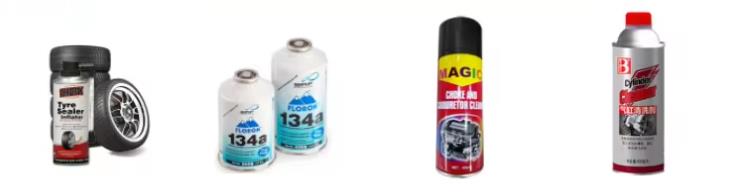
Aerosol cans are found in almost every household, used for various products such as deodorants, hair sprays, cooking sprays, and cleaning agents. While these cans are incredibly convenient, they also pose a significant hazard if not handled properly. One of the most common dangers associated with them is the risk of explosion.
Understanding why aerosol cans explode is crucial for ensuring safety at home, in workplaces, and during transportation. This article will explore the science behind these explosions, the conditions that can cause them, and how to prevent accidents. We will also analyze the temperature thresholds at which these cans become dangerous and why they are highly flammable.
By the end of this article, you will have an in-depth understanding of the risks associated with aerosol cans and the best practices for safe usage and storage.
Why Do Aerosol Cans Explode?
Aerosol cans explode due to the combination of pressurized gas and volatile substances contained within them. These cans are designed to dispense liquid or gas in a fine mist, but they rely on a pressurized propellant to force the contents out. The explosion happens when the pressure inside the can increases beyond its capacity, causing the container to rupture violently.
Several key factors contribute to this dangerous phenomenon:
Pressurized Gas Expansion
The contents of an aerosol can include both a liquid product and a propellant gas. When the can is sealed, the gas remains under high pressure. If the can is exposed to heat, the gas inside expands, increasing the internal pressure. If the pressure exceeds the can’s structural integrity, it explodes.
Flammable Ingredients
Many aerosol cans contain highly flammable substances like butane, propane, or dimethyl ether. If these gases are released and come into contact with a spark or open flame, they can ignite, leading to an explosion.
Structural Weakness or Damage
If an aerosol can is dented, punctured, or corroded, its structural integrity is compromised. Even normal pressure fluctuations can cause a weakened can to rupture unexpectedly.
Chemical Reactions Inside the Can
Some aerosol products contain chemicals that can become unstable over time. If a chemical reaction occurs inside the can, it might generate additional gas, increasing the internal pressure and leading to an explosion.
What Can Cause an Aerosol Can to Explode?
There are several common scenarios in which an aerosol can might explode. Understanding these causes can help users take appropriate precautions.
1. Exposure to High Temperatures
Leaving an aerosol can in a hot car, near a stove, or in direct sunlight can cause the internal pressure to rise. As the temperature increases, the gas inside expands, and if the pressure becomes too high, the can will explode.
2. Puncturing the Can
Piercing an aerosol can with a sharp object—whether accidentally or intentionally—can lead to an explosion. The sudden release of pressurized gas can propel the can or cause it to rupture violently.
3. Throwing the Can into Fire
Many people dispose of empty aerosol cans by throwing them into a fire, thinking they are harmless once used. However, residual propellant and liquid inside the can can still ignite, leading to a dangerous explosion.
4. Manufacturing Defects
Occasionally, aerosol cans may have defects that make them more prone to explosion. Weak seals, faulty valves, or improper pressure regulation during manufacturing can lead to hazardous malfunctions.
5. Improper Storage
Storing aerosol cans in confined spaces with poor ventilation, such as a hot attic or a closed car trunk, can increase the risk of explosion. If multiple cans are stored together, a single explosion could trigger a chain reaction.
At What Temperature Will an Aerosol Can Explode?
Temperature plays a critical role in aerosol can explosions. Most aerosol cans are designed to withstand internal pressures up to a certain point, but they become dangerous at elevated temperatures.
| Temperature (°C) | Effect on Aerosol Can |
| Below 20°C | Safe storage conditions |
| 20-30°C | Normal operating range |
| 40-50°C | Increased internal pressure; risk of leaks |
| 50-60°C | High risk of explosion |
| Above 60°C | Can will likely rupture or explode |
Real-Life Examples
Cars in Summer: On a hot summer day, the interior of a parked car can reach 60°C or higher. If an aerosol can is left inside, the temperature could exceed its safety limit, leading to an explosion.
Near Stoves or Heaters: Placing an aerosol can too close to a heat source, such as a stove, radiator, or fireplace, can quickly cause it to overheat and explode.
Why Do Aerosols Ignite So Easily?
Many aerosol cans contain propellants that are highly flammable, making them prone to ignition even at low temperatures. Here’s why:
1. Presence of Flammable Propellants
Common aerosol propellants include:
Butane (used in deodorants and hair sprays)
Propane (found in cooking sprays and air fresheners)
Dimethyl Ether (DME) (used in industrial aerosols)
These gases have low ignition points, meaning they can catch fire easily if they come into contact with a spark or flame.
2. Fine Mist Dispersion
When an aerosol can is sprayed, it releases a fine mist of liquid particles. This increases the surface area available for ignition, making it easier for the mist to catch fire.
3. Presence of Oxygen
Aerosol sprays mix easily with the oxygen in the air, creating an ideal environment for combustion. If there is an open flame, spark, or even static electricity nearby, an aerosol can act as a fuel source for an explosion.
4. Static Electricity
In some cases, static electricity can ignite aerosol vapors. This is particularly common in dry environments where static buildup is more likely.
Conclusion
Aerosol cans are useful but potentially dangerous products that require careful handling. They explode due to excessive internal pressure, exposure to high temperatures, punctures, or ignition of flammable propellants.
To prevent explosions:
Store aerosol cans in cool, dry places.
Keep them away from heat sources and direct sunlight.
Never puncture or throw them into a fire.
Dispose of them properly after use.
By understanding the risks associated with aerosol cans, users can take necessary precautions to ensure safety at home and in workplaces.
FAQs
1. Can an aerosol can explode in a car?
Yes, if the temperature inside the car rises above 50-60°C, the pressure inside the aerosol can can increase, leading to an explosion.
2. What should I do if an aerosol can starts leaking?
Immediately move the aerosol can to a well-ventilated area, away from heat and flames. If possible, dispose of it safely according to local regulations.
3. Can empty aerosol cans explode?
Yes, even if the can appears empty, residual propellant or liquid inside can still cause an explosion if exposed to high temperatures or flames.
4. How can I safely dispose of aerosol cans?
Check local waste disposal guidelines. Many areas have designated disposal sites for aerosol cans to prevent environmental hazards.
5. Are all aerosol cans flammable?
Not all aerosol cans are flammable, but many contain flammable propellants. Always check the label for warnings and storage instructions.


