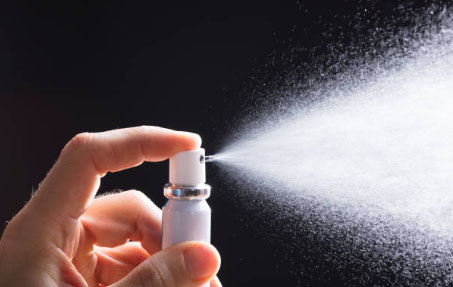
Public concern over synthetic fragrances and "toxic" air fresheners has reached an all-time high. Consumers constantly encounter alarming headlines regarding indoor air quality and chemical exposure. Many people now rightfully question the safety of everyday odor neutralizers. This widespread skepticism stems from a mix of outdated information and highly valid chemical concerns.
Decades ago, legacy products relied heavily on hazardous volatile compounds. Today, distinguishing verifiable health risks from generalized fear-mongering requires an objective approach. We must rely on industry-standard chemical analysis and modern packaging science to uncover the truth. You need clear facts to make informed, safe purchasing decisions.
We will separate fact from fiction by examining current chemical realities and strict regulatory standards. You will discover how advanced manufacturing processes have transformed product safety entirely. Specifically, we will explore how the evolution of the aerosol can fundamentally changes consumer safety profiles compared to late 20th-century counterparts.
Key Takeaways
The Propellant Myth: Global bans on CFCs mean modern aerosol products do not deplete the ozone layer; contemporary propellants are strictly regulated for safety.
Chemical Realities: The true health risks in legacy air fresheners stem from specific VOCs (Volatile Organic Compounds) like formaldehyde and phthalates, which are increasingly being phased out by compliant manufacturers.
Packaging Integrity: The physical container matters—premium aluminum aerosol cans prevent chemical leaching and degradation better than low-cost plastics.
Evaluation Standard: Safe procurement and formulation require a strict audit of chemical disclosure, propellant type, and packaging safety certifications.
Deconstructing the "Toxic Air Freshener" Myth: What the Science Says
Buyers and product developers face a significant challenge today. They must distinguish between harmless natural ingredients and volatile synthetic chemicals. These volatile chemicals often trigger serious compliance red flags. A deep understanding of these compounds prevents costly manufacturing mistakes. It also protects end-users from unnecessary respiratory distress.
Legacy air fresheners often relied on hazardous ingredient profiles. This "chemical cocktail" reality created the health stigmas we still see today. Let us examine the actual risks of these legacy components closely.
Formaldehyde & Dichlorobenzene: These harsh legacy ingredients carry severe cumulative exposure risks. Formaldehyde acts as a known respiratory irritant. Continuous indoor exposure links directly to long-term toxicity. Dichlorobenzene aggressively attacks the respiratory system over time.
Phthalates: Manufacturers historically used phthalates to prolong scent life. They essentially anchor the fragrance in the air. However, science now proves verifiable risks of hormone disruption. Top-tier manufacturers recognize this danger. They now explicitly formulate entirely "phthalate-free" products.
Modern formulators rely heavily on natural fixatives as superior alternatives. The industry shift toward botanical ingredients protects consumer health. Natural fixatives include rich essential oils like vetiver and cedarwood. These robust plant derivatives slow fragrance evaporation naturally. They anchor the scent effectively. They carry zero synthetic risks. This natural approach ensures safe, long-lasting odor neutralization.
The Modern Aerosol Can: Propellant Facts vs. Outdated Fears
A lingering stigma continues to plague the commercial fragrance industry. Many consumers still believe every pressurized container harbors ozone-depleting chlorofluorocarbons (CFCs). We must aggressively fact-check this outdated consumer belief.
Commercial air fresheners originally debuted around 1956. These early iterations did use CFCs extensively. However, global environmental regulations completely phased them out decades ago. The Montreal Protocol forced a worldwide manufacturing shift. Today, finding CFCs in consumer packaging is virtually impossible.
Current propellant standards prioritize both environmental safety and human health. Modern formulations utilize highly regulated alternatives. These compliant propellants include purified hydrocarbons, compressed air, or pure nitrogen. When manufactured correctly, these modern systems pose no threat to the ozone layer. Quality control remains paramount. Safe manufacturing processes require strict oversight. Buyers should always look for reputable certifications like CE, SGS, or UL. These global standards verify production safety.
Era | Primary Propellant | Environmental Impact | Safety Profile |
Pre-1980s | CFCs (Chlorofluorocarbons) | Severe Ozone Depletion | Hazardous / Banned |
1990s - 2000s | Early Hydrocarbons | Low Ozone Impact | Regulated but Flammable |
Present Day | Compressed Air / Nitrogen | Zero Impact | Extremely Safe / Inert |
Packaging Materials: Why the Right Container Prevents Chemical Leaching
The physical container holds equal importance to the chemical formula inside. We must evaluate standard packaging formats based on safety metrics. Chemical stability and environmental impact vary wildly among materials. A poorly chosen container can easily ruin a perfectly safe formula.
Standard consumer plastics present significant vulnerabilities. Plastic reacts poorly to oxygen over extended periods. Certain concentrated essential oils also degrade cheap plastics. This degradation risks severe chemical leaching. The container slowly releases plasticizers into the liquid fragrance. Glass offers a chemically inert alternative. It remains perfectly safe for potent oils. Unfortunately, glass proves highly fragile. It is also exceptionally costly to transport safely across long distances.
The aluminum aerosol container represents the optimal, commercial-grade solution. Industry leaders prefer aluminum for several compelling reasons.
Rust-Proof Integrity: Aluminum completely resists oxidation. It never rusts in damp bathroom environments.
Lightweight Transport: It drastically reduces shipping weight compared to thick glass bottles.
Degradation Prevention: Aluminum creates an impenetrable barrier against harsh UV light and external oxygen.
Chemical Stability: It ensures the internal fragrance formula remains pure. It actively prevents leaching from the container walls.
Packaging Material | Chemical Stability | Leaching Risk | Durability |
Standard Plastic (PET) | Low to Medium | High (reacts to oils) | Shatterproof but degrades |
Glass | Very High | None | Highly fragile |
Premium Aluminum | Very High | None | Durable and rust-proof |
Regulatory Policies and Manufacturer Transparency
A frustrating transparency gap still exists in the fragrance sector. Current global laws rarely mandate total disclosure of fragrance chemical components. Outdated "trade secret" protections heavily shield exact formulas. This legal loophole frustrates safety advocates. It leaves consumers guessing about indoor air quality.
Environmental groups continuously push for stricter chemical bans. Organizations like the NRDC advocate fiercely for full ingredient transparency. Not all petitions result in immediate legal bans. The legislative process moves very slowly. However, compliance-aware thinking now dominates the premium market. Market leaders proactively adopt voluntary disclosure. They understand transparent business practices build long-term consumer trust. They happily share their formulations to prove product safety.
Risk mitigation requires uncompromising standards. Brands formulating new products face immense pressure. Retailers stocking shelves carry significant liability. Relying on verified suppliers is an absolute non-negotiable standard. Serious buyers demand full Material Safety Data Sheets (MSDS). They also require verifiable independent lab testing. If a supplier hides behind trade secrets, you must walk away.
Evaluation Framework: Sourcing and Selecting Safe Air Fresheners
Navigating the complex fragrance market requires a pragmatic checklist. Both B2B buyers and highly informed consumers benefit from strict shortlisting logic. You must base success criteria on verifiable technology and transparent ingredient lists.
First, always perform a thorough technology check. Look specifically for Bag-on-Valve (BOV) technology. This advanced internal system changes the safety equation entirely. BOV separates the propellant from the actual fragrance liquid. The liquid sits safely inside a multi-layer inner pouch. Compressed air squeezes the pouch from the outside. This dispenses a much purer, safer mist. The user never inhales the propellant itself.
Second, demand strict ingredient verification. Do not settle for vague "natural" claims. Ensure explicitly labeled exclusions exist on the packaging. You want clear confirmation of zero phthalates. You must verify the absence of parabens. Reject any formula relying on synthetic VOCs.
Finally, implement proper usage recommendations to maximize risk reduction. Proper application drastically lowers exposure levels.
Use sparingly: A short spray neutralizes odors effectively. Over-spraying only degrades air quality.
Prioritize ventilation: Always spray in well-ventilated areas. Natural airflow dilutes concentrations safely.
Targeted application: Treat commercial air fresheners as targeted odor neutralizers. Do not use them as continuous inhalants.
Conclusion
Air fresheners are not inherently toxic by default. However, poorly formulated options carry undeniable health risks. Low-cost liquids housed in sub-standard packaging definitely endanger indoor air quality. Science clearly shows we must avoid specific synthetic VOCs entirely.
Formulating a new product line demands rigorous safety checks. Buying inventory for a large facility requires equal diligence. You must prioritize manufacturers utilizing safe aluminum dispensing technology. Demand transparent chemical sourcing immediately. Ensure your suppliers use only modern, safe propellant systems.
Take action today to protect your environment. Audit your current suppliers completely. Request updated compliance certifications from your vendors. If they fail to provide clear documentation, upgrade your filling technology to meet modern safety standards immediately.
FAQ
Q: Do modern aerosol cans still use CFCs?
A: No. CFCs were globally banned for consumer aerosol products decades ago. Modern cans utilize safe, regulated propellants or compressed air.
Q: What is the safest way to use a commercial air freshener?
A: Limit frequency of use, spray in well-ventilated areas to allow natural diffusion, and avoid continuous exposure in tightly sealed, small rooms.
Q: Are aluminum cans safer than plastic for storing air fresheners?
A: Yes. Aluminum prevents oxidation, blocks UV light degradation, and does not chemically interact with the fragrance oils or propellants, unlike many plastics.
Q: What is Bag-on-Valve (BOV) technology?
A: BOV is an advanced aerosol system where the product is held inside a multi-layer pouch within the can. Compressed air squeezes the pouch to dispense the product, ensuring the fragrance never mixes with chemical propellants.


