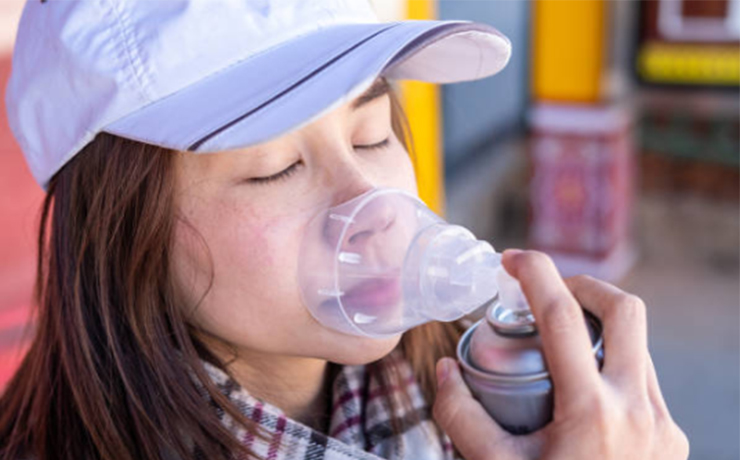
Bottled air and pure oxygen have rapidly transitioned from a novelty concept into a massive wellness category. Industry analysts project this booming market will reach an astonishing $9 billion by 2029. It represents a major shift in modern consumer health trends.
Manufacturing innovations power this global boom. Producers rely heavily on the standard aerosol can to compress and deliver 90–95% pure oxygen or filtered mountain air directly to consumers. These lightweight metal cylinders make portable respiratory products possible on a massive scale.
We must separate legitimate consumer use cases from aggressive marketing hype. We want to help retailers, distributors, and informed buyers evaluate these products critically. You will learn the actual utility, strict physical limitations, and crucial safety compliance behind them. Let us set an evidence-based, skeptical-friendly tone to uncover the reality.
Key Takeaways
Strict Categorization: Over-the-counter (OTC) canned oxygen is strictly recreational (90–95% purity) and is legally and medically distinct from FDA-regulated prescription oxygen (99%+ purity).
Capacity Reality: A standard consumer aerosol can only holds enough compressed gas for approximately 160 brief breaths, or roughly 3 minutes of continuous flow.
Biochemical Limits: The human body lacks an "oxygen bank"; extra oxygen offers temporary symptomatic relief for specific scenarios (altitude, intense exercise) but provides no lasting baseline increase for healthy individuals.
Risk Profile: Misuse of recreational oxygen for acute respiratory conditions (like asthma or COPD) poses severe health risks by delaying legitimate medical intervention.
The Commercial Origins: From Novelty to a Billion-Dollar Wellness Market
Urban industrial pollution created a unique business problem. High-altitude tourism further fueled this demand. People needed immediate respiratory relief and clean air in specific environments. Entrepreneurs noticed this gap and began packaging solutions.
The market evolved in three distinct phases:
Experience-Based Novelty: Early brands sold bagged or canned mountain air. They shipped these products primarily to highly polluted cities in Asia. Buyers treated them as fun souvenirs or status symbols.
Sports and Wellness Pivot: Companies realized novelty sales lack long-term retention. They shifted their focus to athletic performance and targeted recovery. Pure oxygen replaced regular mountain air in many product lines.
Mainstream Retail Expansion: Pharmacies and sporting goods stores began stocking these cylinders globally. The category matured into an everyday wellness commodity.
Brands executed a brilliant market education strategy. They successfully positioned supplemental oxygen similarly to sports drinks. Gatorade taught consumers to replenish electrolytes after sweating. Oxygen brands taught consumers to replenish oxygen after aerobic deficits. They marketed it as a targeted recovery tool. They carefully avoided calling it a daily medical necessity.
We must also analyze the retail economics to understand its scalability. A standard 8-liter cylinder acts as a high-margin consumable. Retail pricing usually breaks down to roughly $0.20 per breath. Consumers burn through a cylinder quickly during a ski trip or workout. They must repurchase frequently. This recurring revenue model drives the massive billion-dollar valuation.
Over-The-Counter (OTC) Aerosol Cans vs. Prescription Medical Oxygen
You must establish a hard line between medical devices and recreational supplements. Confusing the two creates serious compliance and safety issues. We evaluate solution categories based on purity, regulation, and delivery methods.
Prescription oxygen serves as a critical medical intervention. The FDA strictly regulates it. Patients require a formal medical diagnosis, such as chronic obstructive pulmonary disease (COPD) or heart failure, to access it. Medical guidelines mandate 99%+ purity. Patients use heavy-duty delivery systems designed for continuous use. These include electronic oxygen concentrators and large liquid oxygen tanks.
OTC canned oxygen operates entirely differently. The FDA does not regulate it for medical use. It typically delivers 90–95% purity. Manufacturers package it in a lightweight, disposable aerosol cylinder. You can buy it freely without a doctor.
Consider the biological evaluation criteria through the "Full Gas Tank" analogy. Healthy lungs breathe 21% ambient oxygen. Under normal resting conditions, they already achieve 99% blood oxygen saturation. Pumping pure oxygen into a healthy system is biologically redundant. If your car's gas tank is completely full, adding more fuel simply spills over. It provides no extra driving range. Extra oxygen works exactly the same way in healthy bodies at rest.
Feature | Prescription Medical Oxygen | OTC Canned Oxygen |
Purity Level | 99% or higher | 90% to 95% |
FDA Regulation | Strictly regulated medical device | Unregulated recreational supplement |
Delivery Hardware | Concentrators, liquid tanks | Disposable aluminum cylinders |
Intended Use | Continuous hypoxia treatment | Brief wellness and sports recovery |
Evaluating the Use Cases: Proven Benefits vs. Placebo Claims
Consumers buy these products for several distinct reasons. We need to evaluate the science behind each claim. Some scenarios offer genuine symptomatic relief. Others rely heavily on the placebo effect.
High-Altitude Acclimatization
Low-pressure environments make oxygen harder to absorb. Canned oxygen provides temporary relief from acute mountain sickness symptoms. It artificially raises oxygen intake during sudden altitude shifts. However, over-reliance creates a problem. It can delay your body's natural 24- to 48-hour acclimatization process. You should use it sparingly to bridge the gap.
Aerobic Exercise & Lactic Acid
Your body demands up to 5x normal oxygen levels during peak physical exertion. Supplemental oxygen helps meet this spike. It can briefly accelerate the breakdown of lactic acid in your muscles. This aids rapid recovery between high-intensity interval training (HIIT) sets or intense sports shifts. Athletes use it to catch their breath faster.
Hangover & Toxin Metabolism
Metabolizing alcohol requires heavy oxygen consumption. Your liver needs three molecules of oxygen to process one molecule of alcohol. Brands frequently market canned oxygen to speed up acetaldehyde breakdown. They claim it cures hangovers quickly. Clinical consensus on its actual efficacy remains mixed. Some users report feeling clearer, while others notice no difference.
Debunking "Everyday Energy"
Many brands promise daily fatigue relief. We must address the lack of verifiable evidence for this claim in healthy populations. Clinical pulse oximetry reveals the truth. Your blood oxygen levels return to their normal baseline roughly 4 minutes after the spray ceases. You cannot "store up" energy for the afternoon by breathing pure oxygen in the morning.
Manufacturing Realities and Aerosol Packaging Limitations
Physical constraints heavily impact the end-user experience. We must map product features to actual consumer outcomes. Understanding manufacturing limitations prevents unrealistic expectations.
A standard consumer cylinder does not hold liquid oxygen. Liquid oxygen requires extreme freezing temperatures and heavy-duty insulation. Instead, OTC products hold highly compressed gas. This physical reality strictly limits their output capacity. A typical large can yields just a few minutes of continuous flow. It proves completely unviable for ongoing hypoxia or chronic breathing conditions. You cannot rely on it for extended periods.
Many manufacturers add essential oils to their mix. They use peppermint, citrus, or eucalyptus to enhance the "wellness" experience. Scented options sell very well. However, you must emphasize the implementation risk here. Inhaling aerosolized oils can trigger severe inflammation. It can spark allergic reactions in sensitive respiratory tracts. Medical professionals strongly advise against inhaling foreign particulate matter deeply into your lungs.
Common manufacturing limitations to keep in mind:
No sustained flow option: The pressure drops rapidly as the can empties.
Temperature sensitivity: Extreme heat can affect the internal pressure.
Propellant-free design: They rely on their own internal gas pressure, meaning the final few breaths often feel weak.
Safety, Implementation Risks, and Consumer Protection
Selling recreational health products requires immense responsibility. Misguided consumers often misuse these tools. We must highlight data-backed risks to protect buyers and retailers alike.
Industry reviews show alarming statistics. Nearly 25% of OTC canned oxygen consumers mistakenly use the product to self-treat serious medical conditions. They attempt to manage asthma or COPD flare-ups using recreational products. This behavior presents a profound danger.
Using a consumer cylinder to treat acute shortness of breath creates a false sense of security. It leads to the danger of delayed care. Patients might postpone using necessary rescue inhalers. They might delay taking oral steroids. They might even avoid going to the emergency room. This delay can prove fatal during severe respiratory distress.
We must also address combustibility and storage. Oxygen itself is not flammable. However, it acts as a rapid accelerant. It makes existing fires burn much hotter and faster. Highlight supply-chain and household storage risks. Keep cylinders far away from open flames, smoking materials, or cooking grease. Store them in cool, dry places.
Retailers need strong shortlisting logic. Distributors evaluating brands should prioritize vendors who take safety seriously. Follow these best practices:
Demand clear non-medical disclaimers printed directly on the packaging.
Prioritize unscented options to reduce respiratory irritation risks.
Reject brands using transparent marketing that crosses into FDA-regulated medical claims.
Ensure the packaging clarifies the exact number of one-second inhalations provided.
Conclusion
The canned fresh air and pure oxygen business thrives on specific, temporary use cases. It excels in sports recovery and high-altitude acclimatization scenarios. It offers quick, portable bursts of relief. However, it completely fails as a chronic medical solution or daily energy booster.
Buyers and retailers should adopt the product strictly as an experiential wellness tool. Success in this category requires rejecting exaggerated health claims. You must understand the strict capacity limits of compressed gas packaging. Retailers must ensure consumers do not substitute OTC products for genuine medical care. By setting realistic expectations, the industry can continue its impressive growth safely and responsibly.
FAQ
Q: Can an aerosol can of pure oxygen replace a medical oxygen tank?
A: No. OTC aerosol cans lack the 99% purity, continuous flow capacity, and FDA approval required for medical conditions. They are strictly for recreational use.
Q: How long does a standard can of recreational oxygen last?
A: Depending on the size (typically 8 to 10 liters of compressed gas), a can yields between 100 and 200 short inhalations, equating to only about 3 minutes of continuous spray.
Q: Are flavored or scented canned oxygen products safe?
A: For healthy individuals, they are generally harmless, but introducing aerosolized essential oils into the lungs can cause inflammation and is strongly advised against for anyone with asthma or respiratory sensitivities.
Q: Does insurance cover OTC canned oxygen?
A: No. Medicare and private insurance only cover prescribed medical-grade oxygen delivery systems, not recreational aerosol products.


