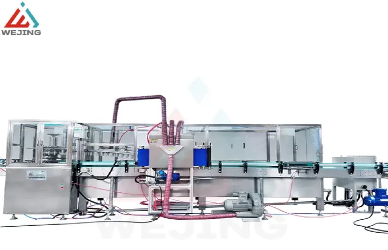
Aerosol products are commonly used in a variety of industries, from household cleaning to personal care. Due to their widespread use, it is critical that aerosol products meet the highest quality control standards to ensure consumer safety, product performance, and environmental responsibility. This article will delve into the key quality control standards in aerosol manufacturing, the testing processes, and the emerging trends in quality management within the industry.
1.Understanding Aerosol Manufacturing
Aerosols are products that release their contents under pressure. The basic components of aerosol products include the container, the propellant, and the product itself (the substance being sprayed). The manufacturing process must ensure that these elements work together effectively to deliver the intended use of the product.
Aerosol cans are typically made of metal, and the propellant is a compressed gas or liquid that forces the product out of the can when the valve is opened. For a product to function as intended, it must meet precise specifications for each of these components, including the right balance of pressure, consistency in dispensing, and the preservation of the contents' quality.
2.The Importance of Quality Control in Aerosol Manufacturing
In aerosol manufacturing, quality control is crucial for several reasons. Primarily, it ensures that products are safe for use, effective, and environmentally responsible. Given the complexity of aerosol products, even a minor flaw in manufacturing can lead to product malfunction, safety hazards, or environmental harm.
Safety and Consumer Trust
The safety of aerosol products is paramount. Poorly manufactured aerosols could result in injuries from malfunctioning cans, improper dispensing, or harmful chemical exposure. Furthermore, consumers rely on the effectiveness of aerosol products for a variety of tasks, such as cleaning, personal care, or even medical use. Poor performance could damage consumer trust, resulting in product recalls, legal actions, or brand damage.
Consistency and Reliability
Aerosol products must be consistent in their performance to meet consumer expectations. If an aerosol spray is not dispensed properly, or if the product inside the can deteriorates, the consumer’s experience can be significantly impacted. Quality control ensures that each product performs as expected, with consistency across batches.
Environmental Responsibility
Aerosol products are under increasing scrutiny for their environmental impact. The propellants used in aerosols, historically made with CFCs (chlorofluorocarbons), have been found to damage the ozone layer. Today, manufacturers are required to follow strict environmental regulations regarding the choice of propellants and materials used in aerosol production.
3.Key Quality Control Standards in Aerosol Manufacturing
Several quality control standards govern aerosol manufacturing to ensure that products are safe, reliable, and environmentally responsible. These standards are established by international organizations and regulatory bodies, and manufacturers must adhere to these guidelines in order to maintain compliance and meet consumer expectations.
ISO 9001 and Manufacturing Standards
ISO 9001 is an international standard that defines the criteria for a quality management system (QMS). It is applicable to any organization, regardless of its size or the products it manufactures. For aerosol manufacturers, compliance with ISO 9001 ensures that the production process is well-organized, efficient, and consistently produces high-quality products. This standard focuses on continuous improvement, customer satisfaction, and meeting regulatory requirements.
ISO 9001 Requirement |
Importance for Aerosol Manufacturing |
Process Consistency |
Ensures all manufacturing processes are standardized, minimizing errors and defects. |
Customer Focus |
Helps ensure products meet customer expectations for safety, performance, and reliability. |
Continuous Improvement |
Encourages ongoing efforts to improve production processes, reducing waste and inefficiency. |
Good Manufacturing Practices (GMP)
Good Manufacturing Practice (GMP) is a set of guidelines that ensures products are consistently produced and controlled according to quality standards. For aerosol manufacturers, GMP covers everything from raw material sourcing to finished product packaging. It ensures that all aerosol products are produced under sanitary conditions, with proper equipment calibration and employee training.
Key Elements of GMP in Aerosol Manufacturing:
Sanitation and cleanliness: Maintaining a clean manufacturing environment to prevent contamination.
Employee training: Ensuring workers are properly trained to handle materials and equipment safely.
Equipment calibration: Ensuring that all equipment used in production is accurate and well-maintained to prevent defects.
Environmental and Safety Standards
Environmental standards, such as those set by local and international regulations, govern the choice of propellants used in aerosol products. Many countries have strict guidelines on the type of gases used to propel aerosol products, with a particular focus on reducing volatile organic compounds (VOCs) and eliminating ozone-depleting substances (like CFCs). Compliance with these standards helps minimize the environmental impact of aerosol products.
Additionally, safety standards such as pressure testing ensure that aerosol cans can withstand the required internal pressures without failing. Testing for can integrity ensures that the packaging is durable and that it doesn’t leak or rupture under normal use.
Testing for Aerosol Can Integrity
Aerosol cans are pressurized containers, and any weakness in the can could lead to catastrophic failures, such as explosions or leaks. To prevent this, aerosol manufacturers perform extensive pressure testing to ensure the integrity of each can.
Pressure tests help determine whether the can is capable of withstanding the internal pressure generated by the propellant. Manufacturers also test for leaks, ensuring that aerosol cans do not release gas or product during storage and transportation.
4.Testing and Inspection in Aerosol Manufacturing
Various types of testing and inspection are carried out during the aerosol manufacturing process to ensure that the products meet quality standards. These tests focus on product performance, packaging integrity, and propellant compatibility.
Product Testing
Product testing is a critical component of the aerosol manufacturing process. The tests ensure that the aerosol performs as expected and that the product inside the can is dispensed correctly. Some common tests include:
Spray Performance: Checking for even distribution of the product and proper spray mechanism.
Product Consistency: Ensuring that the product inside the can is uniform in terms of texture, color, and fragrance.
Packaging Testing
The packaging must be able to handle the internal pressure and protect the product from external contaminants. This includes:
Can Durability: Testing whether the can holds up to normal wear and tear, including handling during transport and storage.
Seal Integrity: Ensuring the seal prevents leakage and preserves the product inside.
Propellant Testing
The propellant is a crucial component of an aerosol product. Propellant testing ensures that the correct gas is used and that it functions properly. Testing includes:
Pressure Consistency: Ensuring the right amount of pressure is applied to expel the product.
Environmental Compliance: Verifying that the propellant is not harmful to the ozone layer and meets environmental standards.
5.Emerging Trends in Quality Control for Aerosols
As the aerosol industry evolves, manufacturers are integrating new technologies and practices to enhance quality control. These trends focus on automation, sustainability, and increased regulation.
Automation and Technology
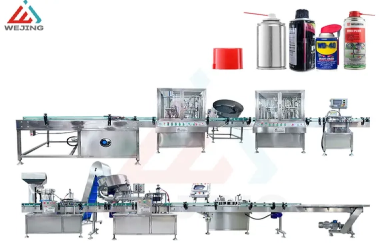
Automation plays an increasingly significant role in ensuring consistent quality control. Advanced testing equipment, such as automated leak detection systems and robotic inspection lines, can rapidly detect defects in aerosol cans, reducing human error and improving overall efficiency. Additionally, automation enables manufacturers to track quality control data in real-time, making it easier to address issues immediately.
Sustainability and Eco-Friendly Practices
As consumer demand for sustainable products rises, aerosol manufacturers are adopting eco-friendly practices. This includes reducing the carbon footprint of production processes, using recyclable materials for packaging, and developing new environmentally friendly propellants. Manufacturers are also moving towards reducing the environmental impact of their production by improving energy efficiency and reducing waste.
Frequently Asked Questions (FAQs)
1. What is the role of ISO 9001 in aerosol manufacturing?
ISO 9001 provides a framework for ensuring consistent quality in aerosol manufacturing. It focuses on customer satisfaction, regulatory compliance, and continual improvement, ensuring that aerosol products meet high-quality standards.
2. How does GMP affect aerosol production?
Good Manufacturing Practices (GMP) ensure that aerosol products are produced in a safe, controlled environment. It covers everything from sanitation to equipment calibration, ensuring that products are free from contaminants and consistently meet quality specifications.
3. What types of tests are done on aerosol cans?
Aerosol cans undergo several tests, including pressure testing for durability, leakage testing to check for integrity, and spray performance testing to ensure proper dispensing of the product.
4. How does propellant testing impact the safety of aerosol products?
Propellant testing ensures that the gas used in the aerosol can is safe, effective, and environmentally compliant. It also ensures that the aerosol performs correctly and meets environmental regulations regarding emissions.
 Conclusion
Quality control standards in aerosol manufacturing are crucial for ensuring the safety, performance, and environmental responsibility of aerosol products. Adhering to frameworks like ISO 9001, Good Manufacturing Practices (GMP), and environmental regulations helps manufacturers meet consumer expectations and regulatory requirements. These standards ensure aerosol products are consistently safe, effective, and of high quality, preventing potential hazards and maintaining brand trust.
Testing and inspection processes, such as pressure tests, leak detection, and propellant analysis, are essential for maintaining the integrity of aerosol products. These rigorous checks prevent faulty products and ensure that each can performs as intended.
As technology advances and consumer demands evolve, the aerosol industry will increasingly integrate automation, real-time monitoring, and sustainability into quality control practices. This will improve manufacturing efficiency, reduce human error, and support eco-friendly practices. By embracing these innovations, aerosol manufacturers can meet market challenges and deliver trustworthy products.


