1. Introduction
Have you ever wondered how the viscosity of liquids affects the performance of filling machines? The thickness of a liquid can drastically influence filling speed, accuracy, and overall product quality. In this article, we’ll dive into how liquid viscosity impacts filling machines and how various machines are designed to handle different viscosities for optimal production efficiency.
2. Understanding Liquid Viscosity and Its Role in Filling Machines
What is Liquid Viscosity?
Viscosity is a term used to describe the internal friction within a liquid that determines its resistance to flow; in simpler terms, it is the thickness or stickiness of a liquid. Water, for instance, has low viscosity, allowing it to flow easily, while substances like honey or syrup are much thicker, meaning their viscosity is much higher and they flow more slowly. The viscosity of liquids is typically measured in centipoise (cP), where water at room temperature has a viscosity of about 1 cP, but liquids can range from very low (like alcohol or water) to very high (such as molasses or oils). In manufacturing, particularly for filling liquids into containers, understanding viscosity is crucial because it directly impacts the efficiency and accuracy of the filling process. For instance, liquids with low viscosity flow quickly and can be dispensed rapidly, whereas high-viscosity liquids require more careful handling and slower filling speeds to maintain consistency and avoid issues like underfills or overfills.
Viscosity and Its Impact on Product Consistency
The viscosity of a liquid plays a crucial role in ensuring the consistency of the filled product; when the viscosity of a liquid is not properly managed, it can lead to problems such as inconsistent fill volumes, wasted product, or even contamination. For instance, thin liquids like water or juices are easier to handle in filling machines because they flow quickly and uniformly, allowing for faster and more accurate fills. However, for thicker liquids, such as creams, gels, sauces, and syrups, their high viscosity means that they move more slowly, making it more difficult to fill containers quickly and consistently. This challenge is especially critical when dealing with precise dosing, as even small variations in the liquid's viscosity can lead to either underfilling or overfilling, both of which can affect the product’s quality and waste production. Therefore, it’s important to account for viscosity differences when designing and configuring a filling machine, as well as during production planning to ensure that every product is filled to the correct level and meets quality standards.
3. Types of Filling Machines and Their Relationship with Viscosity
Filling machines come in a variety of types, each designed to accommodate different types of liquids, and selecting the right machine for the viscosity of the liquid being filled is crucial to ensuring both efficiency and accuracy in the filling process. Among the most commonly used types are piston filling machines, gravity filling machines, and positive displacement filling machines, each of which has its advantages and challenges when dealing with liquids of different viscosities.
Piston Filling Machines
Piston filling machines are widely used for liquids with high viscosity, such as creams, pastes, and gels, because they offer high precision in dispensing thick liquids. These machines work by drawing a fixed volume of liquid into a cylinder using a piston, and then pushing it into the container. The design of piston fillers ensures that they can handle thicker liquids with a high degree of accuracy, as the positive displacement mechanism allows for precise control over the amount of liquid dispensed. However, this precision comes with a challenge: if the viscosity of the liquid is too high, it may be difficult for the piston to draw the liquid into the cylinder efficiently, which could slow down the production rate and cause inconsistencies in fill levels. On the other hand, if the viscosity is too low, the piston may overfill the containers, leading to product waste. Therefore, careful calibration and adjustment of the machine are necessary to maintain optimal performance.
Gravity Filling Machines
Gravity filling machines, which rely on the force of gravity to dispense liquids from a storage tank into containers, are best suited for liquids with low viscosity, such as water or thin juices, because they allow the liquid to flow freely and uniformly into the containers without much resistance. These machines are simple to operate and are highly efficient for thin liquids, as the dispensing process is naturally fast and does not require complicated mechanisms. However, gravity fillers face significant challenges when dealing with high-viscosity liquids; thicker liquids tend to flow more slowly, resulting in inconsistent filling or clogging of the nozzles. This makes gravity fillers unsuitable for thick products like oils, gels, or creams, as they will either take too long to fill or fail to dispense the required amount accurately.
Positive Displacement Filling Machines
Positive displacement filling machines offer an excellent solution for liquids of all viscosities, especially those that are too thick for gravity fillers but still need to be dispensed accurately. These machines work by trapping a precise amount of liquid in a chamber and then dispensing it into containers. The positive displacement mechanism ensures that the exact volume of liquid is dispensed every time, making these machines highly reliable and precise, even when dealing with high-viscosity liquids. These machines are particularly useful in applications where filling accuracy is critical, such as in the cosmetic and pharmaceutical industries. Additionally, positive displacement filling machines are flexible enough to handle a range of viscosities, from thin liquids to thick creams and gels, making them a versatile option for manufacturers looking to streamline their production processes.
Positive displacement fillers offer great flexibility for handling liquids of varying viscosities, making them ideal for applications that require high accuracy and consistency.
4. Our Product Solutions
At Wejing, we offer a variety of filling machines designed to handle liquids of all viscosities, from low-viscosity liquids like water to thick pastes and creams. Our machines are engineered to provide precise filling, high efficiency, and smooth operation, ensuring optimal performance for a wide range of applications.
Product | Description | Applications |
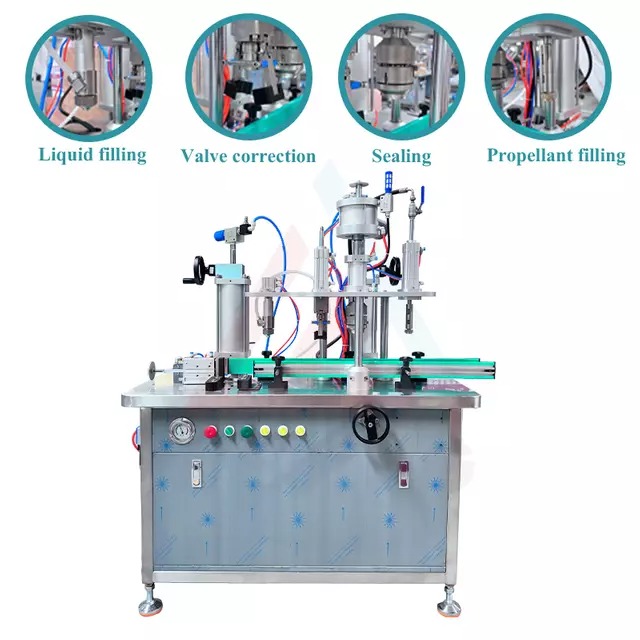
Aerosol Filling Machine | Designed for aerosol products, with high-precision filling and stable operation. | Chemical, daily chemical, food, pharmaceutical industries. |
Bag On Valve Filling Machine | Offers high speed, accurate filling, and leak-proof sealing for aerosol products. | Chemical, cosmetic, pharmaceutical industries. |
Cosmetic Filling Machine | High-quality machine for filling creams, lotions, and other cosmetic products. | Cosmetic manufacturing. |
Tube Filling Sealing Machine | Increases productivity, reduces waste, and ensures quality with easy operation and sealing. | Cosmetic, pharmaceutical, and food industries. |
Each of our filling machines is tailored to meet the specific needs of your production process, ensuring optimal efficiency and consistent results across a wide variety of products.
5. How Viscosity Affects the Efficiency of Filling Machines
Flow Rate and Speed Adjustments
Viscosity directly influences how quickly a liquid can flow through the filling system, and this in turn affects the speed at which the filling machine operates. Thicker liquids generally move slower, which can cause the filling process to take longer, ultimately reducing production speed and efficiency. Filling machines must therefore adjust the flow rate to suit the viscosity of the liquid being filled. For high-viscosity liquids, slower filling speeds are necessary to prevent overfilling or spills, while for low-viscosity liquids, the filling speed can be increased to maximize production throughput. If the machine’s settings are not properly adjusted to account for viscosity, this can lead to inefficiencies, production delays, and increased waste.
Filling Accuracy and Consistency
Achieving filling accuracy becomes more challenging when working with liquids that have high viscosity because they tend to behave unpredictably, especially when temperature fluctuations or changes in product composition occur. Even small variations in viscosity can lead to overfills or underfills, which not only waste product but also affect the consistency of the final product. To address these challenges, modern filling machines are equipped with advanced technology, such as automated viscosity control systems and sensors that detect changes in liquid thickness and adjust the filling process accordingly, ensuring consistent fills and high-quality results. These innovations help manufacturers maintain product consistency across large batches, minimizing waste and ensuring compliance with regulatory standards.
6. Common Problems Caused by High or Low Viscosity in Filling Machines
Overflows and Underfills
One of the most common problems encountered during filling operations is overflow or underfill, both of which are exacerbated by improper management of liquid viscosity. For example, when filling high-viscosity liquids, a machine that is set to a high flow rate might dispense too much liquid before it has a chance to slow down, causing overfills and wasted product. On the other hand, if the machine operates too slowly, it may underfill containers, leading to lost revenue and inconsistent product quality. These issues can often be resolved by adjusting the machine's settings to match the viscosity of the liquid, ensuring that each container is filled accurately without wasting product.
Regular calibration and viscosity testing are essential to prevent overflows or underfills, ensuring each fill is precise and consistent.
Clogging and Jamming
Clogging and jamming are common issues when filling high-viscosity liquids, especially if the liquid contains solid particles or fibers. These liquids can easily clog nozzles and filling lines, causing delays in production and requiring costly maintenance. To prevent clogging, manufacturers often use machines with self-cleaning features or incorporate heated systems to reduce the viscosity of the liquid before filling. For instance, using a heating system to maintain optimal viscosity levels can ensure that thick liquids flow smoothly through the system without getting stuck in the lines.
To prevent clogging, use machines designed for high-viscosity liquids and consider incorporating heating systems to maintain optimal flow.
7. Technology and Innovations for Managing Viscosity in Filling Machines
Heating Systems
Heating systems are one of the most effective ways to manage viscosity in filling machines, as they help reduce the thickness of liquids by raising their temperature. For liquids like syrups, oils, and creams, which tend to become too thick at lower temperatures, heating systems can make a significant difference in ensuring smooth flow through the filling machine. By maintaining the liquid at an optimal temperature, manufacturers can reduce viscosity and improve the efficiency of the filling process, reducing the likelihood of clogs and improving overall productivity.
Viscosity Sensors and Automated Adjustments
Viscosity sensors are becoming increasingly common in modern filling machines, offering a real-time solution for monitoring and adjusting the liquid's viscosity. These sensors detect changes in viscosity during the filling process and make automated adjustments to ensure the liquid is dispensed at the correct rate, regardless of any fluctuations. This technology is especially valuable in industries where consistency is critical, such as pharmaceuticals and cosmetics, as it allows for precise control over the filling process and helps maintain product quality.
8. Best Practices for Managing Viscosity in Filling Applications
Pre-fill Testing and Calibration
Before starting production, it is essential to conduct pre-fill testing and calibrate the filling machine based on the viscosity of the liquid. This step ensures that the machine is configured to handle the specific liquid type and viscosity, minimizing the chances of overfills, underfills, or operational inefficiencies. By regularly testing viscosity levels and adjusting machine settings accordingly, manufacturers can ensure that each batch is filled accurately and efficiently.
Regular viscosity testing and machine calibration are critical to ensuring consistent and accurate fills.
9. Conclusion
Managing liquid viscosity is essential for optimizing the performance of filling machines and ensuring that production runs smoothly and efficiently. By selecting the right machine for your product’s viscosity and implementing advanced technologies such as viscosity sensors and heating systems, manufacturers can improve filling accuracy, reduce waste, and maintain product quality. At Wejing, we are committed to providing you with the best filling solutions, tailored to meet the unique needs of your business, whether you're filling aerosols, cosmetics, or other liquids.
Contact us today to explore our range of filling machines and discover the perfect solution for your production needs!
FAQ
Q: What is liquid viscosity, and why is it important for filling machines?
A: Liquid viscosity refers to a liquid's thickness or resistance to flow. It is crucial for filling machines because it affects how easily the liquid moves through the machine, influencing filling speed, accuracy, and consistency.
Q: How does viscosity affect the efficiency of filling machines?
A: Viscosity impacts filling speed and consistency. Thicker liquids may slow down the process, leading to inefficiencies, while thinner liquids may cause overfills if the machine's settings are not adjusted properly.
Q: What types of filling machines are best for high-viscosity liquids?
A: Positive displacement filling machines and piston filling machines are ideal for high-viscosity liquids, as they ensure precise filling, even with thicker products like creams or syrups.
Q: Can gravity filling machines handle high-viscosity liquids?
A: Gravity filling machines are not suitable for high-viscosity liquids because they rely on gravity for flow, which is too slow for thicker liquids. For better results, a piston or positive displacement filling machine is recommended.


