Air fresheners have become the top choice for many car owners due to their convenient use and immediate improvement of in-car air quality. Many users are curious about the production process behind them—how do they transform from raw materials into spray cans? Today, we will systematically analyze the composition of air fresheners and their industrial filling process.
1.What Are Air Fresheners Made Of?
Air fresheners primarily consist of three major components:
Fragrance: Provides various scent options to mask odors;
Solvents: Such as diethyl ether or ethanol, used to dissolve fragrances and other additives;
Propellants: Typically liquefied gases (e.g., propane-butane, dimethyl ether), responsible for expelling the contents from the can.
Some products also incorporate deodorizers, disinfectants, or alcohol to achieve more comprehensive air purification functions.
2.How Are Air Fresheners Produced and Filled?
The filling process primarily involves three core steps:
Filling with Liquid Concentrate: Pre-mixed liquid formulations are injected into clean aerosol cans;
Sealing: Precision valves are inserted and sealed using a sealing machine to ensure can airtightness;
Filling Propellant: Propellant is introduced under high pressure, which is critical for the product's proper spraying function.
3.How to Select Air Freshener Filling Equipment?
Enterprises of varying production scales may refer to the following equipment recommendations:
Small to Medium-Scale Production
Suitable for semi-automatic aerosol filling machines. These typically integrate liquid filling, valve insertion, sealing, and gas charging functions into one unit. Utilizing pneumatic control, they feature simple structure, easy operation, and low maintenance costs, making them ideal for startups or small-to-medium batch production.
Large-scale production:
Opt for fully automated aerosol filling lines. These systems utilize PLCs and cam indexers as control cores, integrated with high-precision sensors and solenoid valves to achieve full automation across can loading, filling, capping, pressurization, leak detection, and weighing. They deliver high production efficiency, consistent output, and compatibility with production information systems, making them suitable for large enterprises prioritizing capacity and quality control.
4.Key Control Points in Production
During actual production, pay close attention to the following aspects:
Environmental Control: Filling must occur in a clean environment with controlled temperature and humidity.
Safety: Explosion-proof and ventilation measures are essential due to the use of flammable solvents and pressurized gases.
Quality Inspection System: Includes leak testing, spray volume measurement, and odor stability assessment to ensure product quality.
Conclusion
Air freshener production integrates chemical technology with mechanical automation. From formulation blending to aerosol filling, each step impacts the final product's safety and user experience. With the advancement of intelligent manufacturing, filling processes continue to evolve toward greater efficiency, precision, and environmental sustainability. We hope this article provides you with a clearer and more comprehensive understanding of the industrial production process for air fresheners.


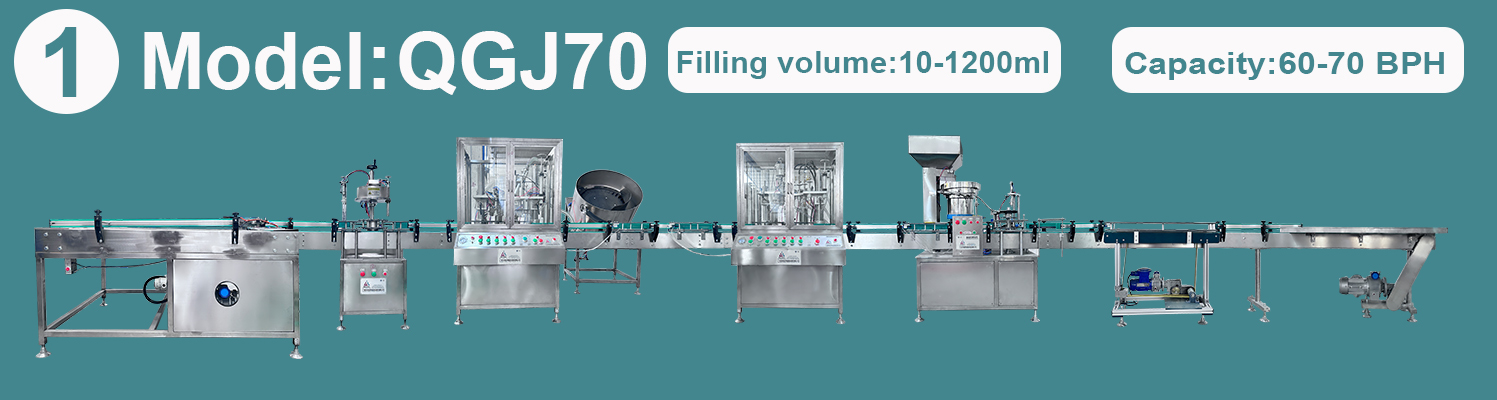
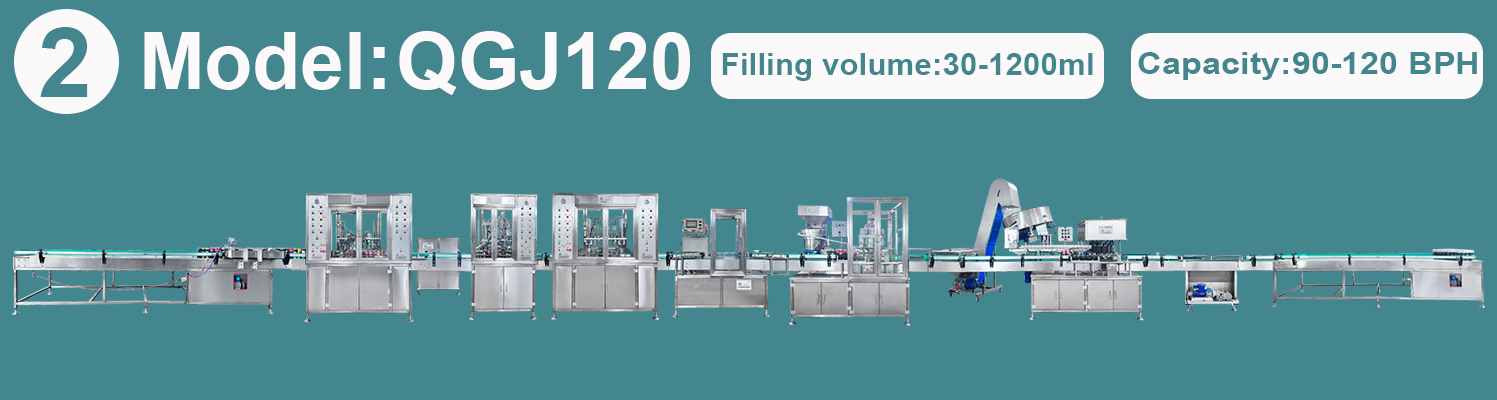
 Opt for fully automated aerosol filling lines. These systems utilize PLCs and cam indexers as control cores, integrated with high-precision sensors and solenoid valves to achieve full automation across can loading, filling, capping, pressurization, leak detection, and weighing. They deliver high production efficiency, consistent output, and compatibility with production information systems, making them suitable for large enterprises prioritizing capacity and quality control.


